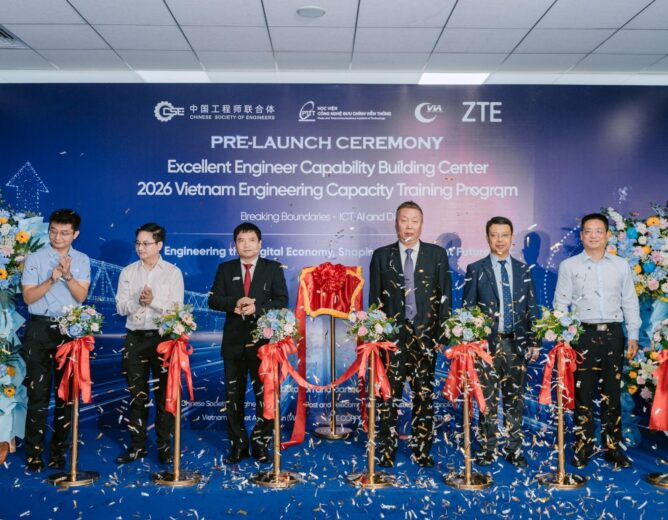
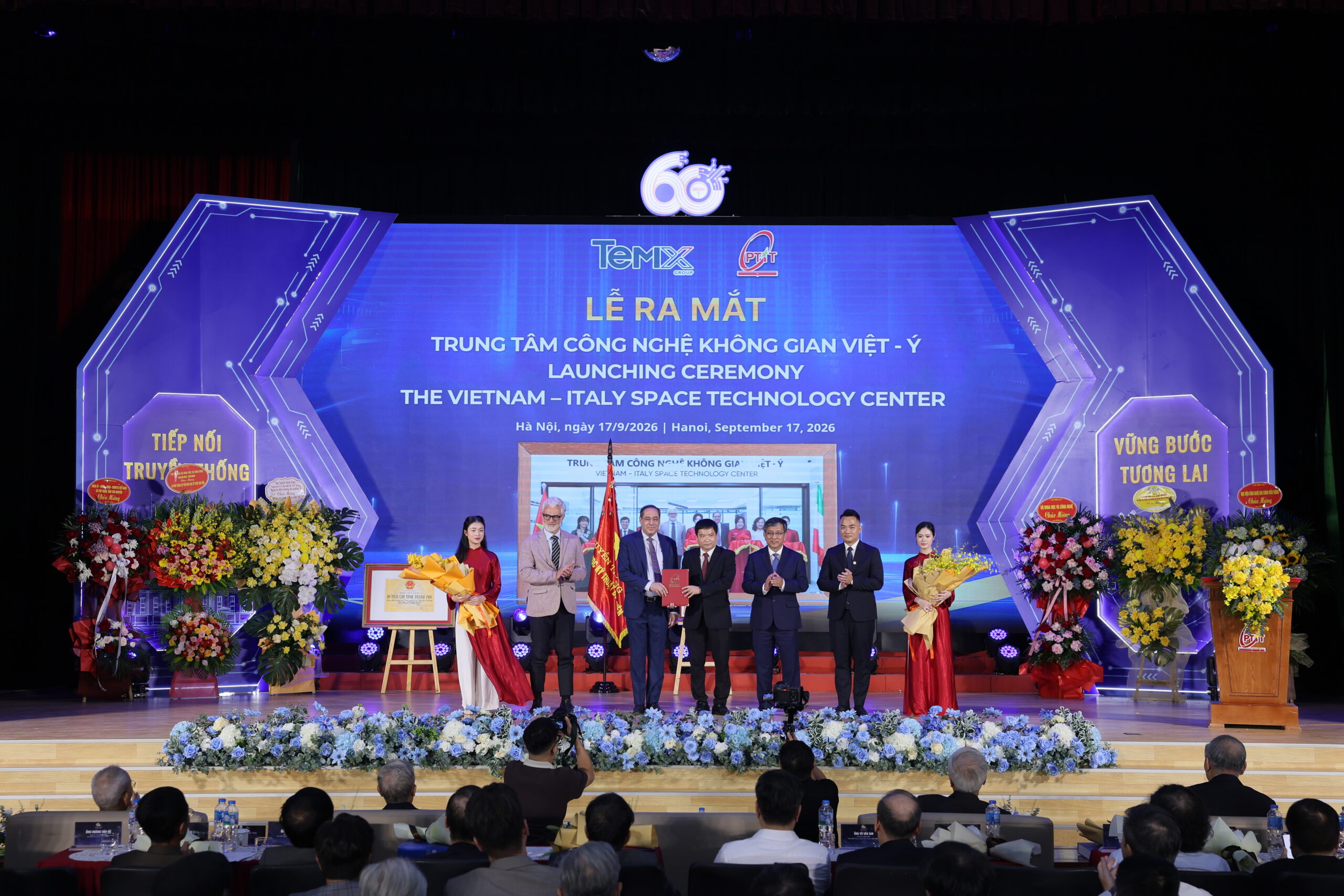
Within the framework of the working visit to China by a delegation of the Ministry of Science and Technology (MOST) led by Minister Vu Hai Quan, the Posts and Telecommunications Institute of Technology (PTIT) participated in and actively contributed to activities aimed at promoting strategic technology cooperation between the two countries.
Notably, during the visit, PTIT joined the working session between Minister Vu Hai Quan and leaders of the Ministry of Science and Technology of China. At the session, both sides engaged in in-depth discussions on orientations for cooperation in science, technology, and innovation in the coming period, focusing on strategic technology areas such as artificial intelligence, semiconductors, advanced materials, energy, and biotechnology.
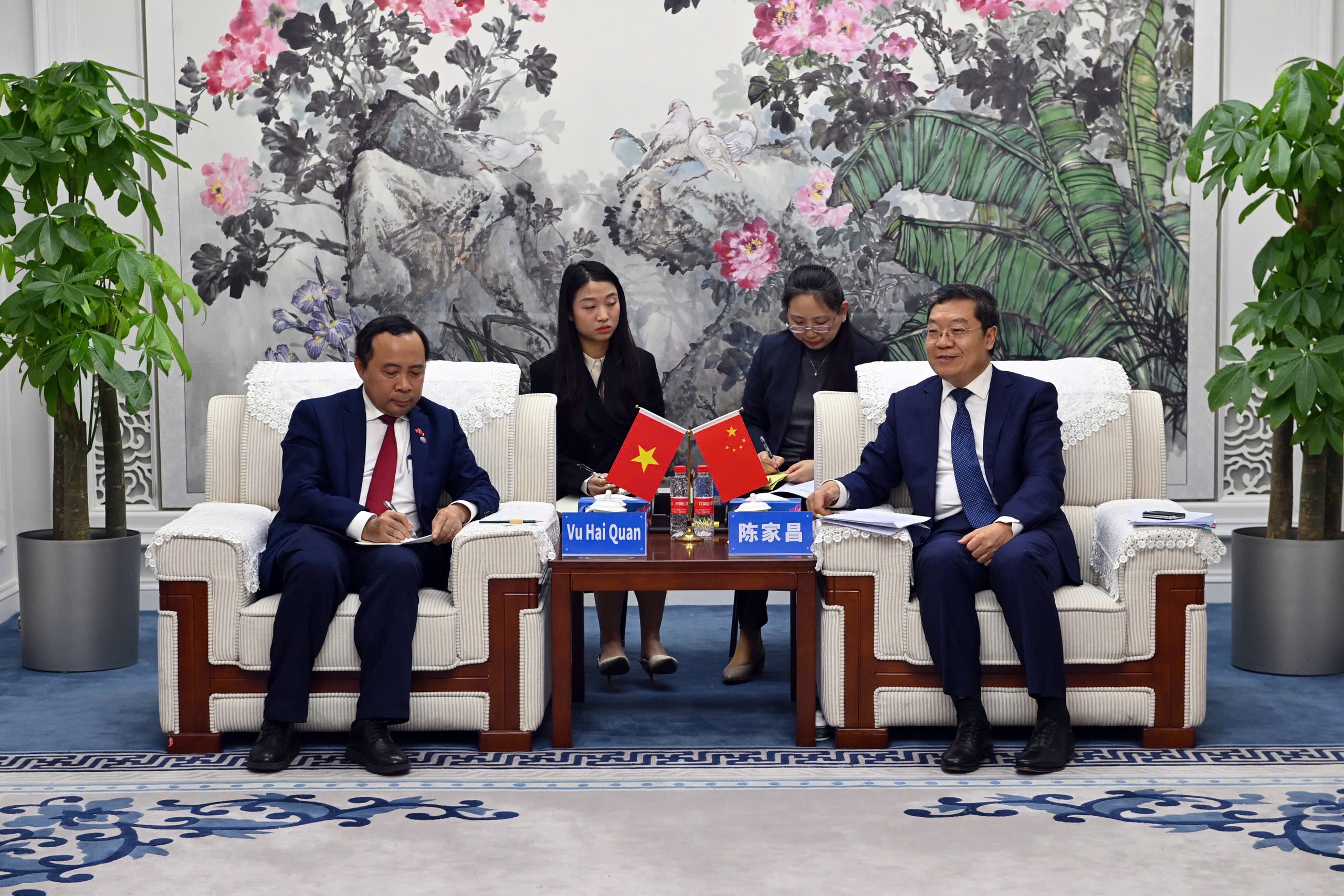
Minister Vu Hai Quan works with leaders of the Ministry of Science and Technology of China
The discussions also emphasized promoting joint research, developing joint laboratory models associated with postgraduate training, and strengthening scholar exchange, as well as developing joint training and research programs to enhance the quality of science and technology human resources. PTIT’s participation in this ministerial-level session enabled the Institute to grasp macro-level cooperation orientations, thereby proactively proposing and implementing concrete collaboration programs with Chinese partners.
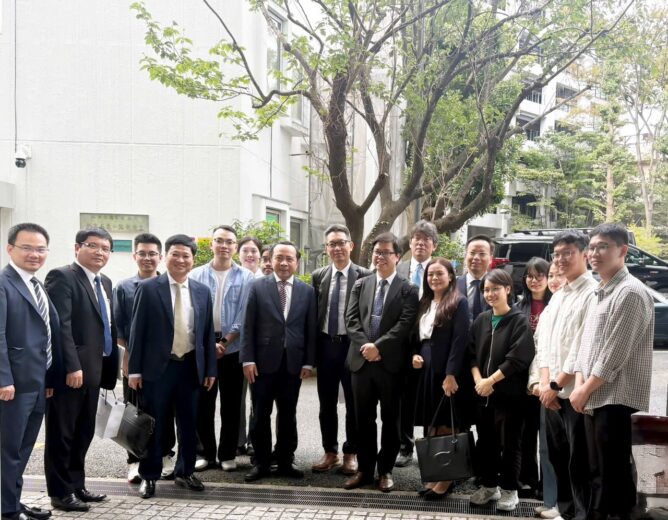
Following the ministerial-level activities, the delegation held multiple working sessions with leading Chinese agencies, organizations, and universities, including Peking University, to promote cooperation in key areas of science and technology, innovation, and high-quality human resource development. The discussions focused on enhancing research collaboration, technology transfer, and the development of advanced training programs aligned with practical needs.
Participating in the delegation, Assoc. Prof. Dr. Dang Hoai Bac, President of PTIT, along with PTIT representatives, actively engaged in discussions and proposed several specific cooperation models with Chinese partners. With its strengths in information technology, telecommunications, digital transformation, and artificial intelligence, PTIT is considered to have strong potential to participate deeply in bilateral cooperation programs.
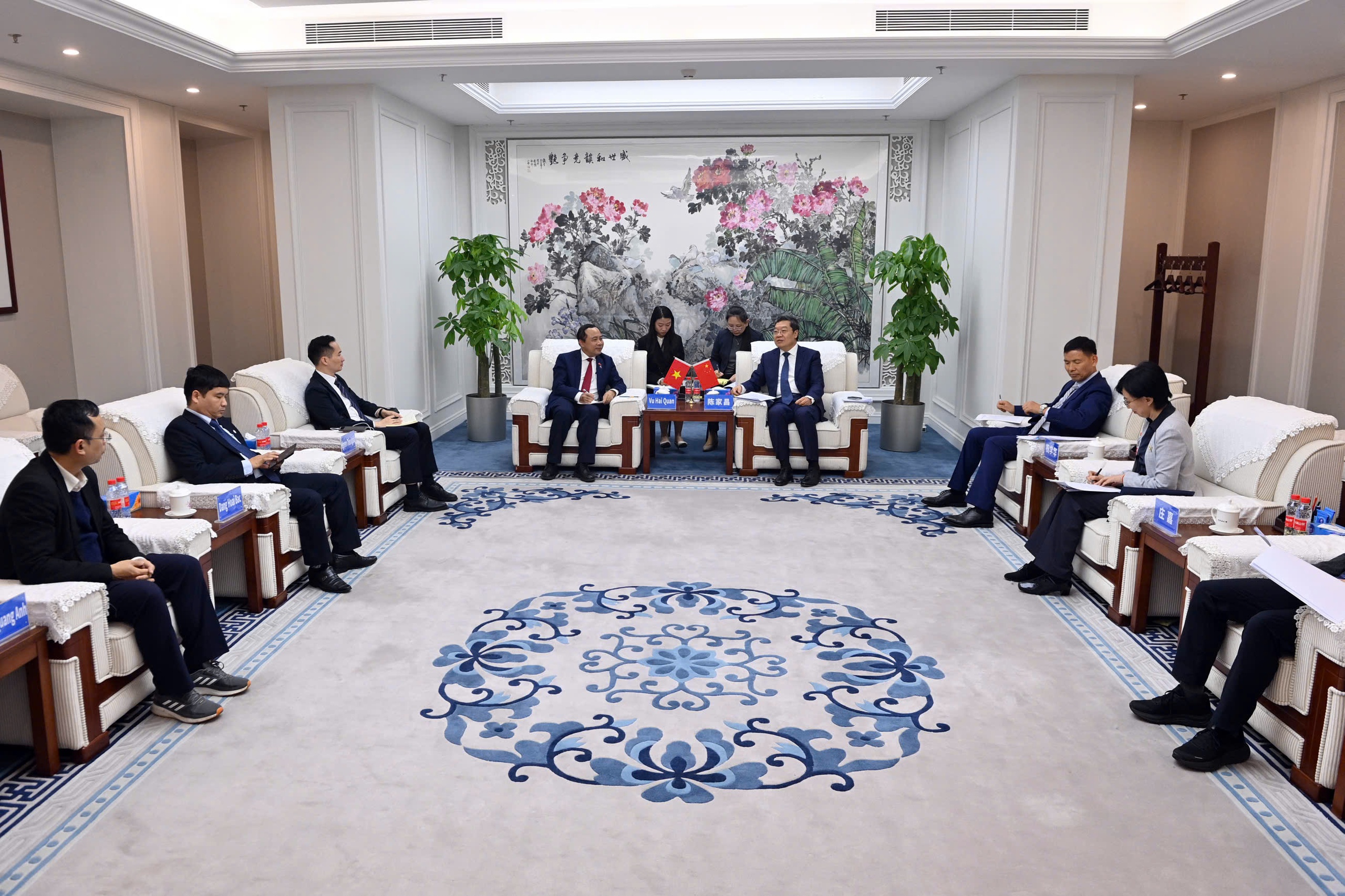
Overview of the working session
During the working sessions, the parties discussed the implementation of a “joint laboratory associated with postgraduate training” model, in which joint research centers would not only conduct scientific research but also participate in training, co-supervise PhD candidates, and work toward joint degree programs. In addition, the establishment of joint research funds, sharing of data and research infrastructure, and the organization of specialized international scientific forums were proposed to further elevate cooperation.
In the field of training, PTIT and Chinese partners agreed to promote “project-based training” programs, enabling learners to directly participate in Vietnam–China collaborative projects in areas such as artificial intelligence, energy, advanced materials, and smart cities. This model aims to bridge the gap between research and practical application while leveraging the complementary strengths of both sides.
Notably, both sides also discussed a mechanism for embedding experts and strong research groups, whereby leading research teams from China would work at PTIT for periods ranging from 6 to 24 months. This is expected to be an effective solution to enhance research capacity, establish strong research groups, and accelerate technology transfer within Vietnam.
Beyond technology transfer, PTIT aims to collaborate with Chinese partners in co-developing core technologies aligned with industry needs and promoting the commercialization of research outcomes. This approach is expected to expand pilot production and target the shared market of both countries.
PTIT’s participation in the Ministry of Science and Technology delegation once again reaffirms its proactive role in international integration, while opening up substantial opportunities for cooperation with leading Chinese partners. Through these efforts, the Institute continues to enhance the quality of training, research, and the development of high-quality digital human resources to meet the demands of the new technological era.