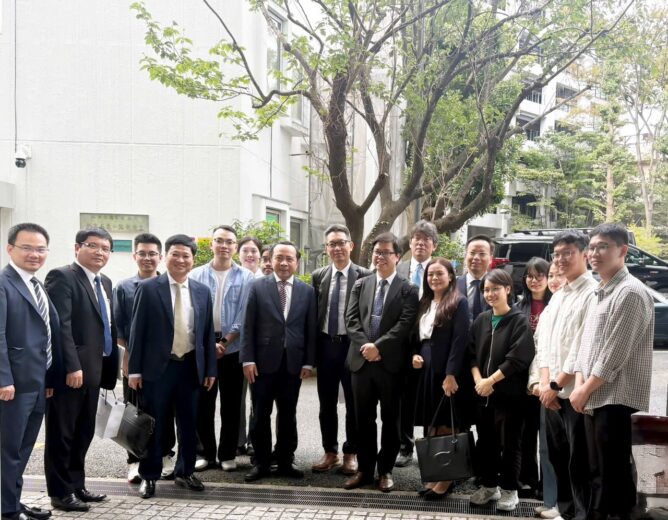
As part of its strategy to strengthen international integration and develop education programs aligned with the needs of the digital economy, from July 4 to 8, 2026, a delegation from the Posts and Telecommunications Institute of Technology (PTIT) conducted a working visit to China to expand cooperation with leading universities and enterprises in education, technology, and talent development.
The visit focused on key areas of cooperation, including the development of international education programs, student and faculty exchanges, joint scientific research, technology transfer, and industry engagement to support the training of high-quality human resources.
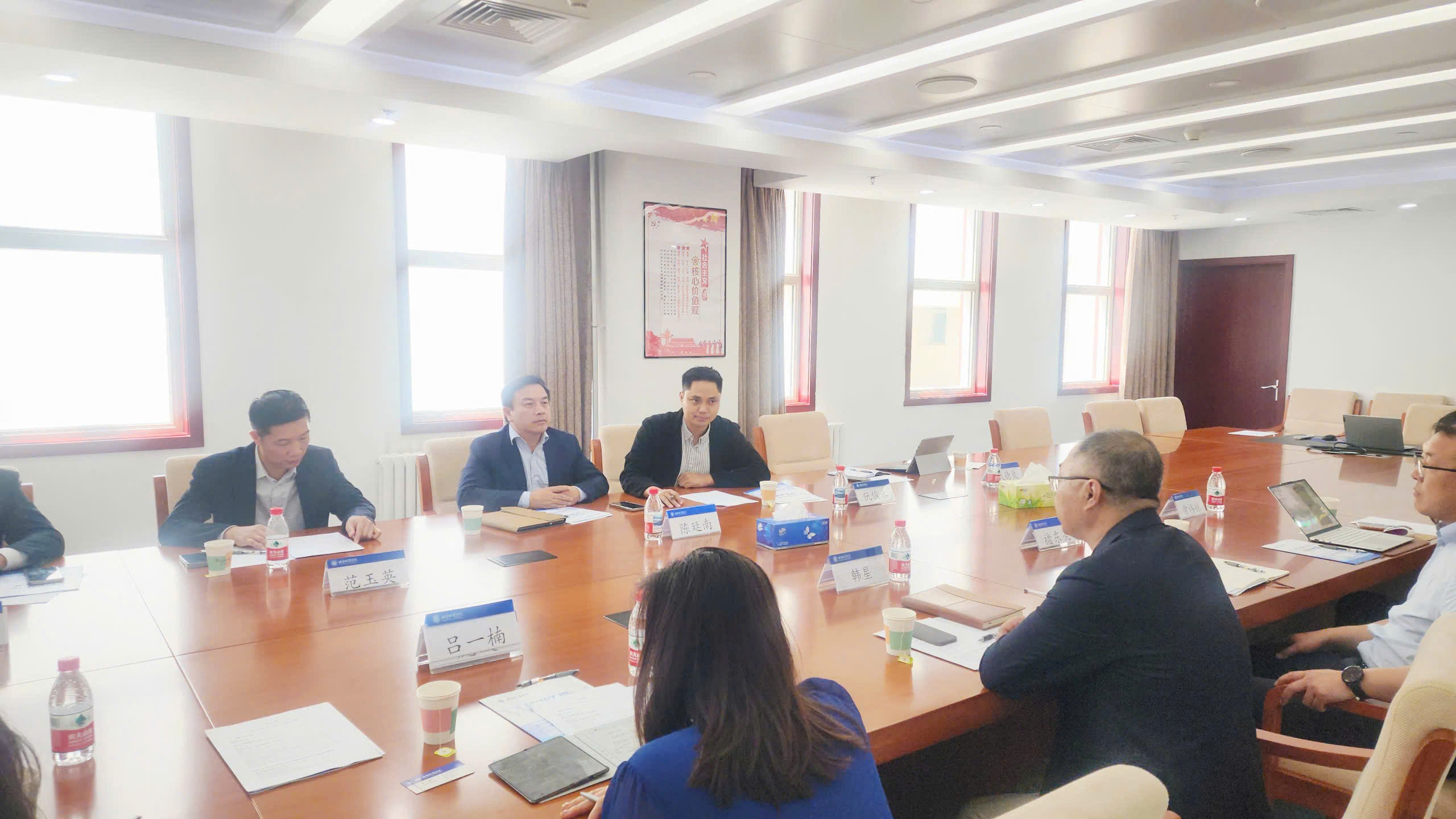
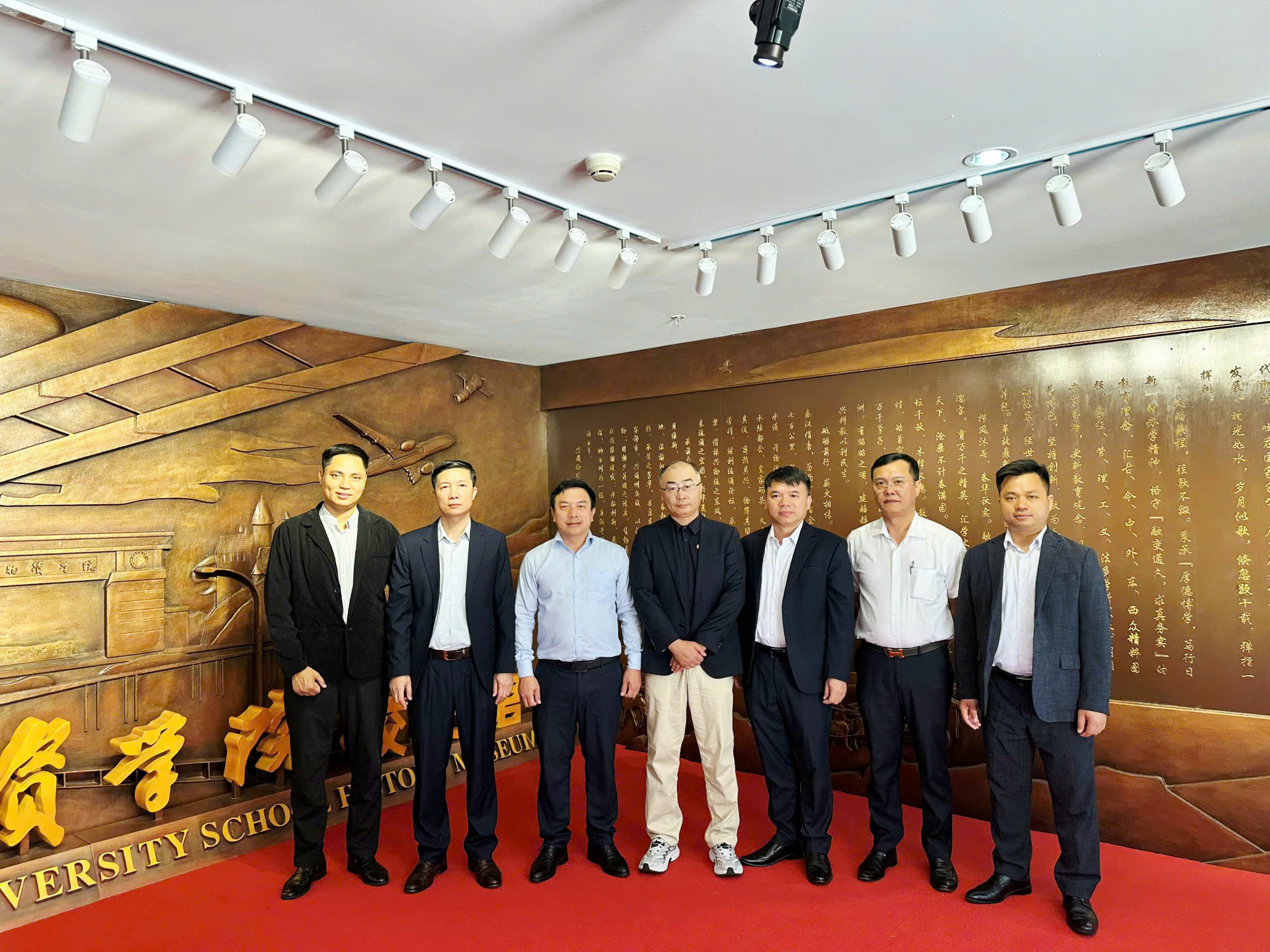
A highlight of the visit was the working session with Beijing Wuzi University (BWU), one of China’s leading universities specializing in logistics, supply chain management, e-commerce, and intelligent transportation. During the meeting, the two sides discussed several important areas of cooperation, including the possibility of developing a 1+3 joint education program, under which students would complete their first year at PTIT and the remaining three years at BWU, leading to the award of a degree from the partner university.
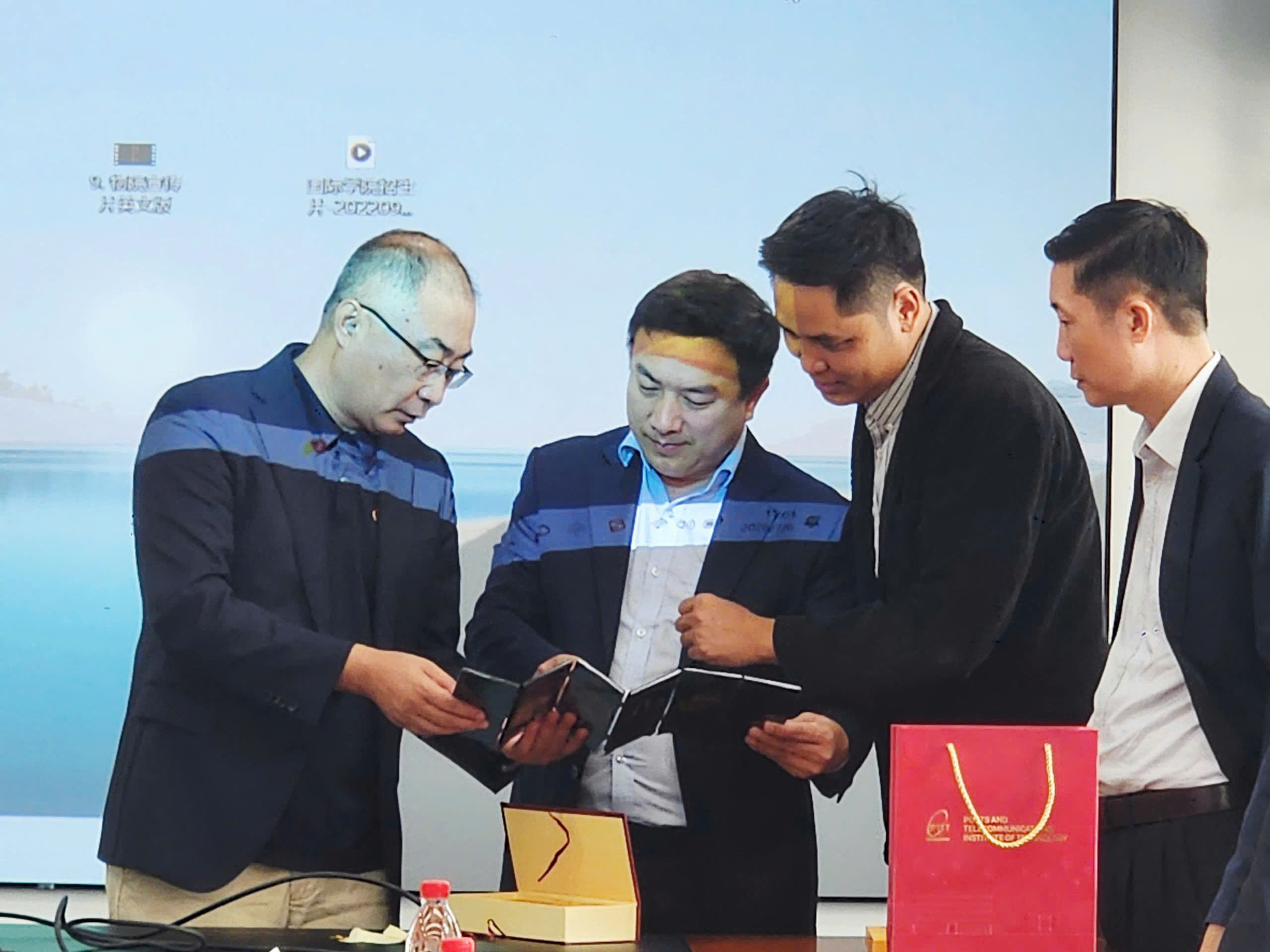
The two institutions also agreed to promote student and faculty exchange programs, international semesters, scientific conferences, and joint research in areas such as AI applications in logistics, smart supply chains, big data, intelligent urban transportation, and digital transformation in the transport sector.
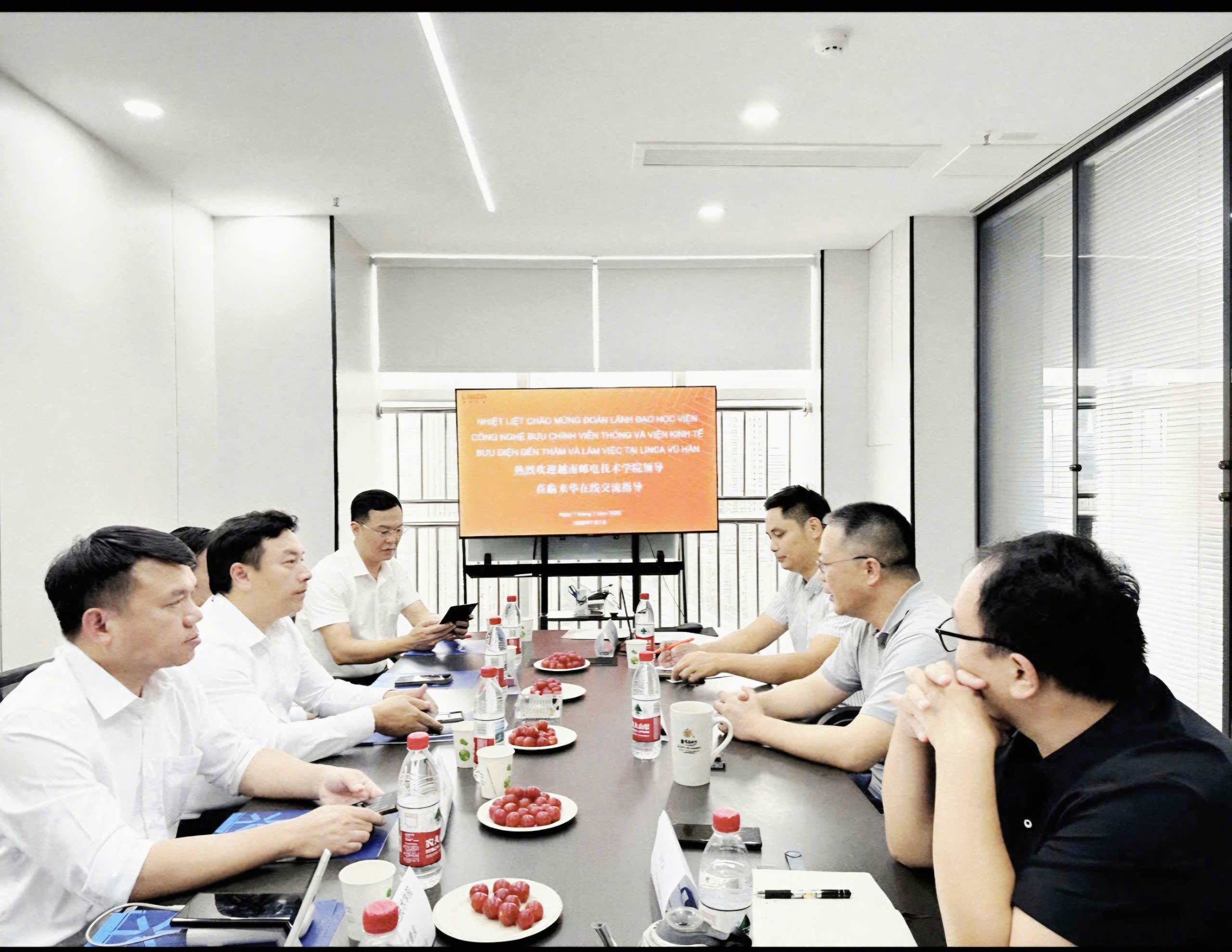
The delegation also held a working session with Wuhan Linca Education Technology Group Co., Ltd. to explore a university-industry cooperation model for developing talent in emerging technology fields. The discussions focused on potential cooperation in education and training in urban rail transit, electric vehicles, artificial intelligence, intelligent manufacturing, semiconductors, and transportation technologies.
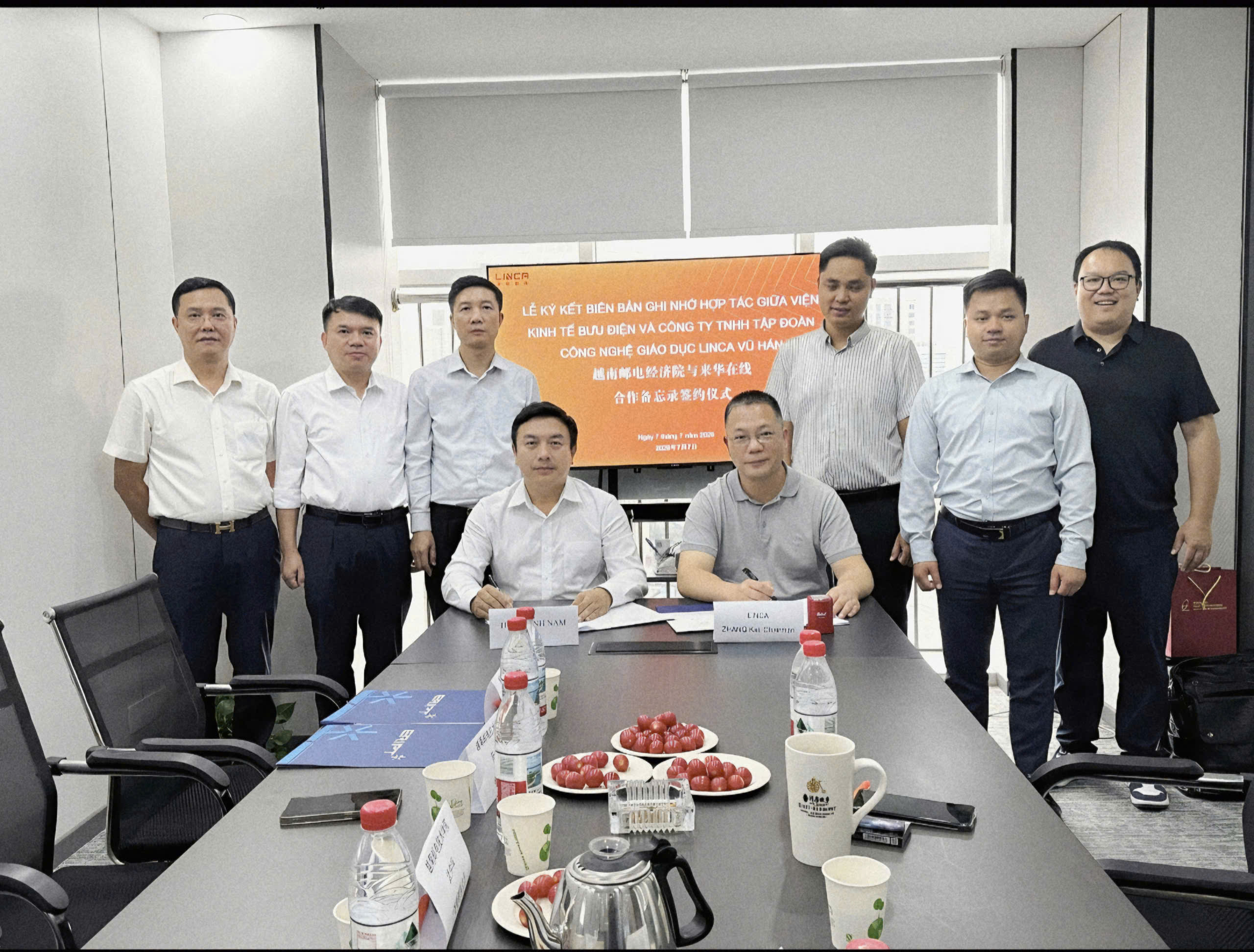
In particular, the parties proposed establishing a collaborative model involving PTIT, Chinese enterprises, and Vietnamese railway operators to develop high-quality human resources for the development of Vietnam’s urban railway system. They also discussed the possibility of jointly developing short-term training programs, enterprise-oriented vocational education, and internationally recognized professional certification programs.
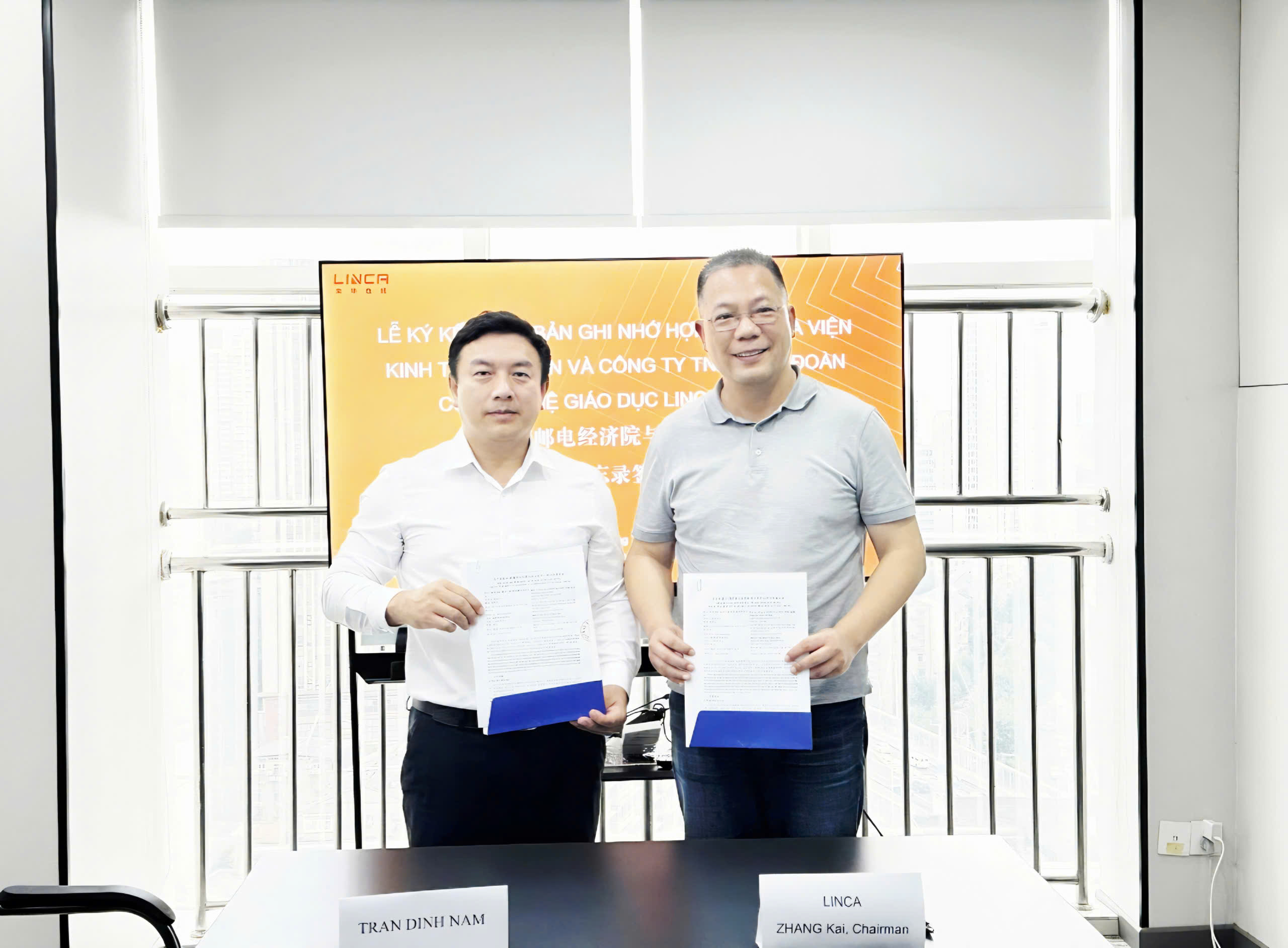
Another notable topic was the proposal to establish the Vietnam-China Investment Education and Technology Cooperation Center (VCIEC) at PTIT. The Center is expected to serve as a focal point for implementing international cooperation programs, delivering enterprise-sponsored training, strengthening university-industry collaboration, and developing education initiatives in emerging technology fields.
The outcomes of the visit demonstrated that PTIT’s Chinese partners possess strong capabilities that align closely with the Institute’s development strategy for the 2026-2030 period, particularly in artificial intelligence, smart logistics, intelligent transportation, urban rail transit, electric vehicles, and intelligent manufacturing. These results provide an important foundation for PTIT to further expand its international partnership network, develop new education programs, strengthen applied research, and enhance the quality of human resources to meet the demands of the Fourth Industrial Revolution.