As part of its working visit to Japan, the Posts and Telecommunications Institute of Technology (PTIT) participated in working programs with the University of Tokyo, Professor Yutaka Matsuo and Matsuo Lab, as well as Chuo University, focusing on high technologies such as artificial intelligence (AI), robotics, and semiconductors. The activities also opened up new directions for cooperation in education and training, scientific research, student exchange, internships, and high-tech human resource development between Vietnam and Japan.
Strengthening Connections with the University of Tokyo in AI and Semiconductor Technologies
As part of the working program of the Ministry of Science and Technology delegation led by Minister of Science and Technology Vu Hai Quan, the delegation held a working session with the University of Tokyo. Representing the University of Tokyo, Professor Teruo Fujii, President, and Professor Takao Someya, Vice President, welcomed and engaged in discussions with the delegation.
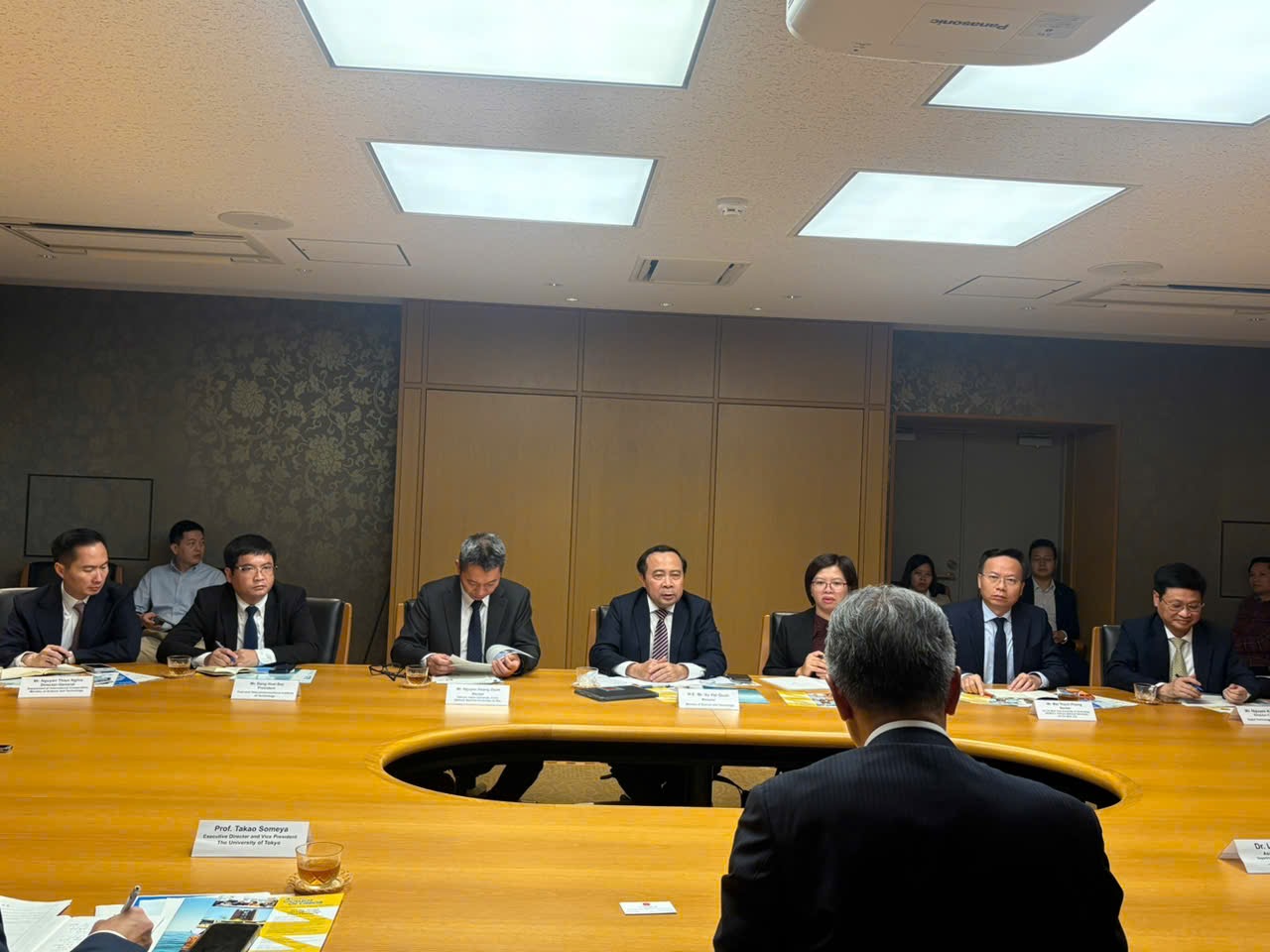
The Ministry of Science and Technology delegation, led by Minister of Science and Technology Vu Hai Quan, working with the University of Tokyo
The two sides focused on opportunities to expand cooperation in two key areas: AI and semiconductor technologies. Discussions also addressed the limited number of proposals participating in the NEXUS 2026 program, with one identified factor being the lack of comprehensive formal cooperation agreements between Vietnamese and Japanese universities.
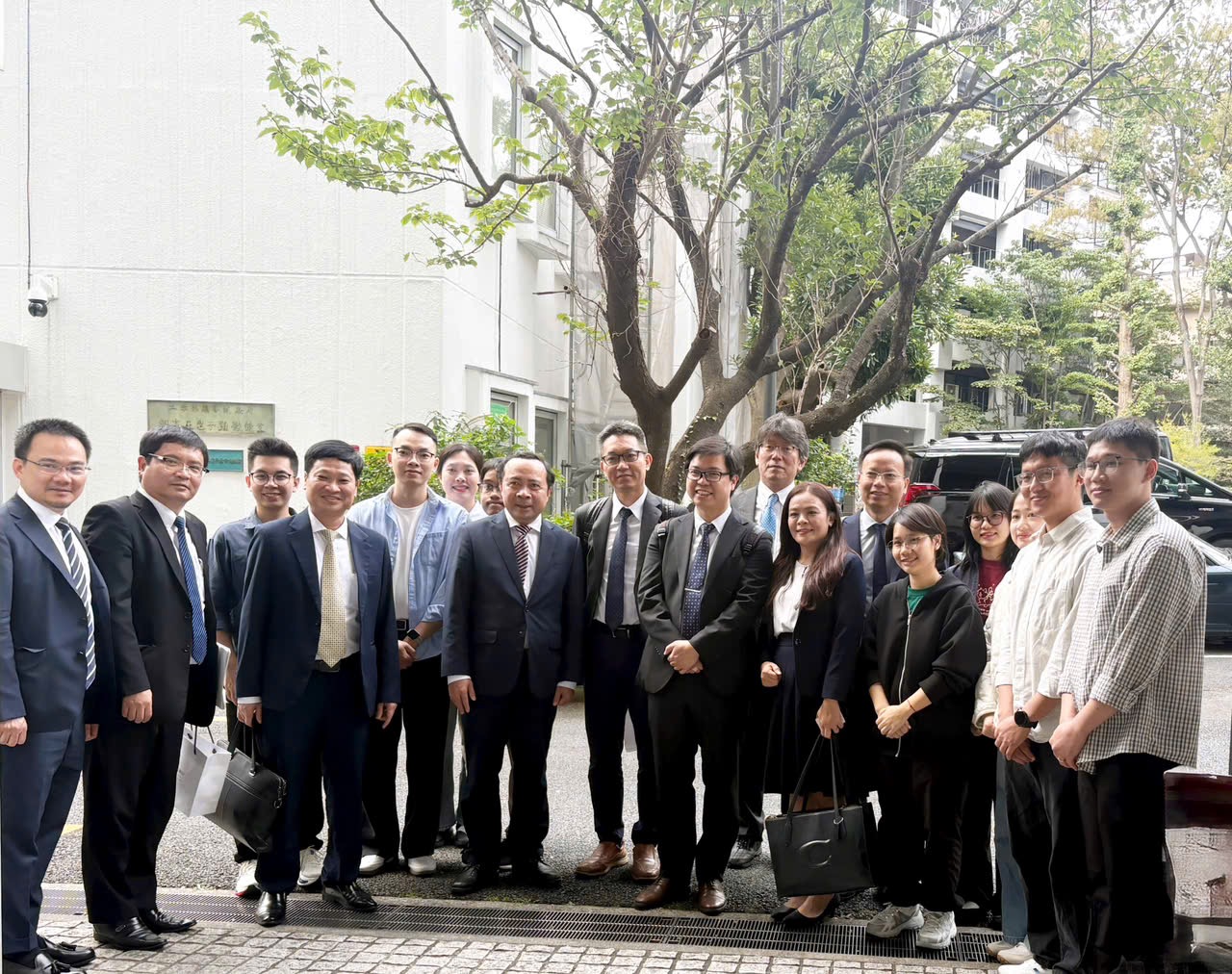
Delegates taking a commemorative photo at the University of Tokyo, Japan
The University of Tokyo expressed its strong support and indicated that it would promote connections and cooperation among universities, thereby creating a foundation for implementing research, training, and exchange programs in the coming period.
Connecting with Professor Yutaka Matsuo and Matsuo Lab to Promote Applied AI Research
The PTIT delegation also held a working session with Professor Yutaka Matsuo, one of Japan’s prominent AI researchers at the University of Tokyo. Professor Matsuo has served as Chairman of the Japan Deep Learning Association since 2017 and has been involved in various AI advisory and strategic planning activities in Japan, as well as councils and forums on growth strategies and AI in Japan and internationally.
During the exchange with PTIT, Matsuo Lab introduced its research direction, “Creating Intelligence,” focusing on the study and development of AI systems capable of learning, reasoning, and interacting with the real world. Key research areas include AI, Deep Learning, Generative AI, LLMs, World Models, and Robotics.
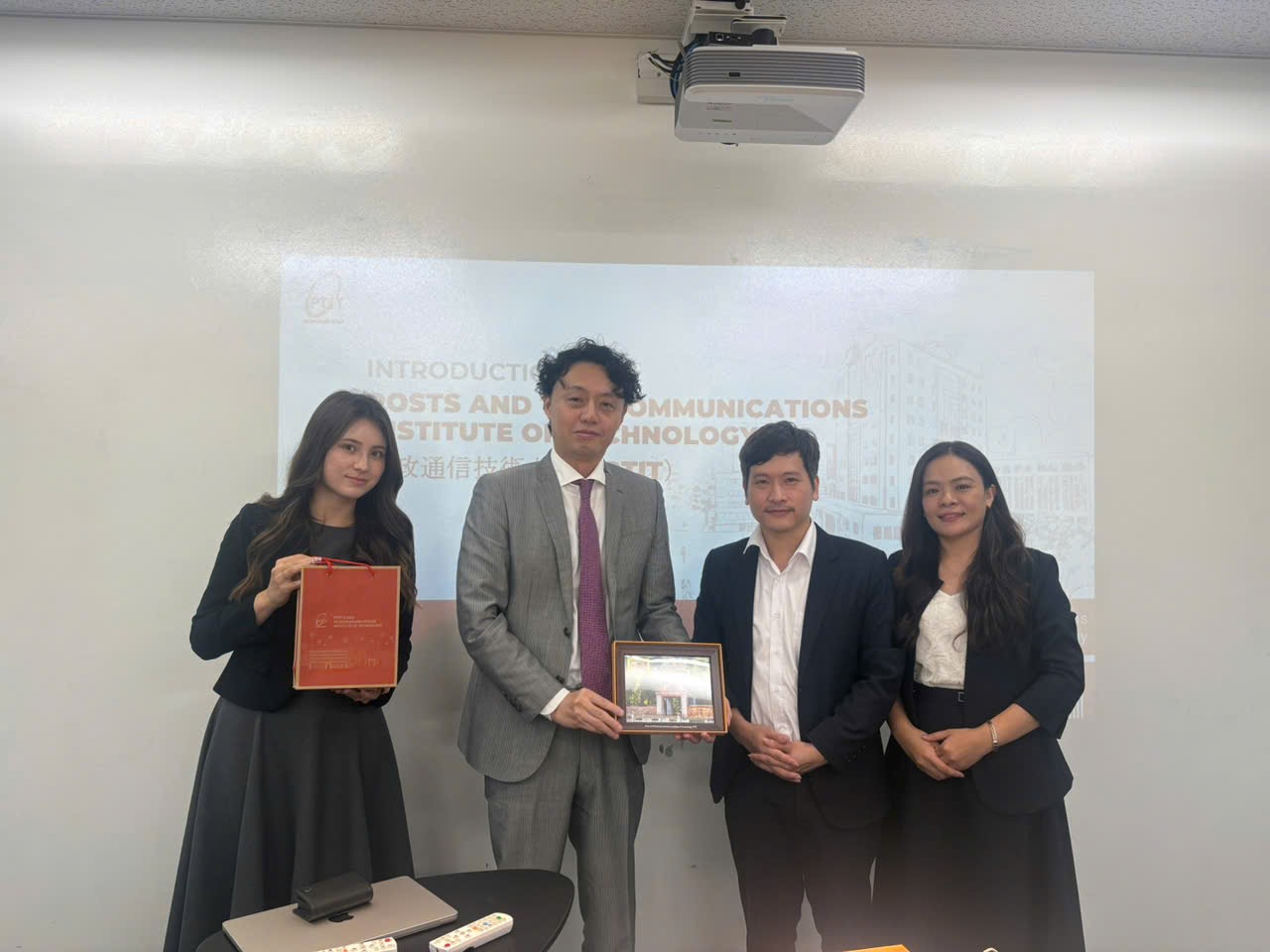
Dr. Tran Tien Cong, Dean of the Faculty of Artificial Intelligence, and Dr. Mai Thi Nghia, PTIT’s representative in Japan, presenting a commemorative gift to Professor Yutaka Matsuo of the University of Tokyo
On this basis, the two sides discussed several specific areas of cooperation, including jointly developing and sharing the Global Consumer Intelligence (GCI) World Website; encouraging students to participate in GCI and promoting exchanges among outstanding students; inviting Matsuo Lab experts to participate in teaching activities and online seminars on applied AI in Vietnam; and conducting joint research on World Models and Robotics, Generative AI and Robotics, as well as AI applications in smart manufacturing and digital transformation.
Promoting Practical Cooperation with Chuo University
During the working visit, the PTIT delegation also held a working session with Chuo University. The delegation visited Robotics and AI laboratories and exchanged views with university leaders on directions for cooperation in education and training, research, and technology transfer.
Chuo University expressed interest in and a strong desire to promote practical and effective cooperation, initially focusing on student exchange, hosting interns, and developing training programs related to AI and Robotics. The two sides also discussed strengthening connections among laboratories and research groups.
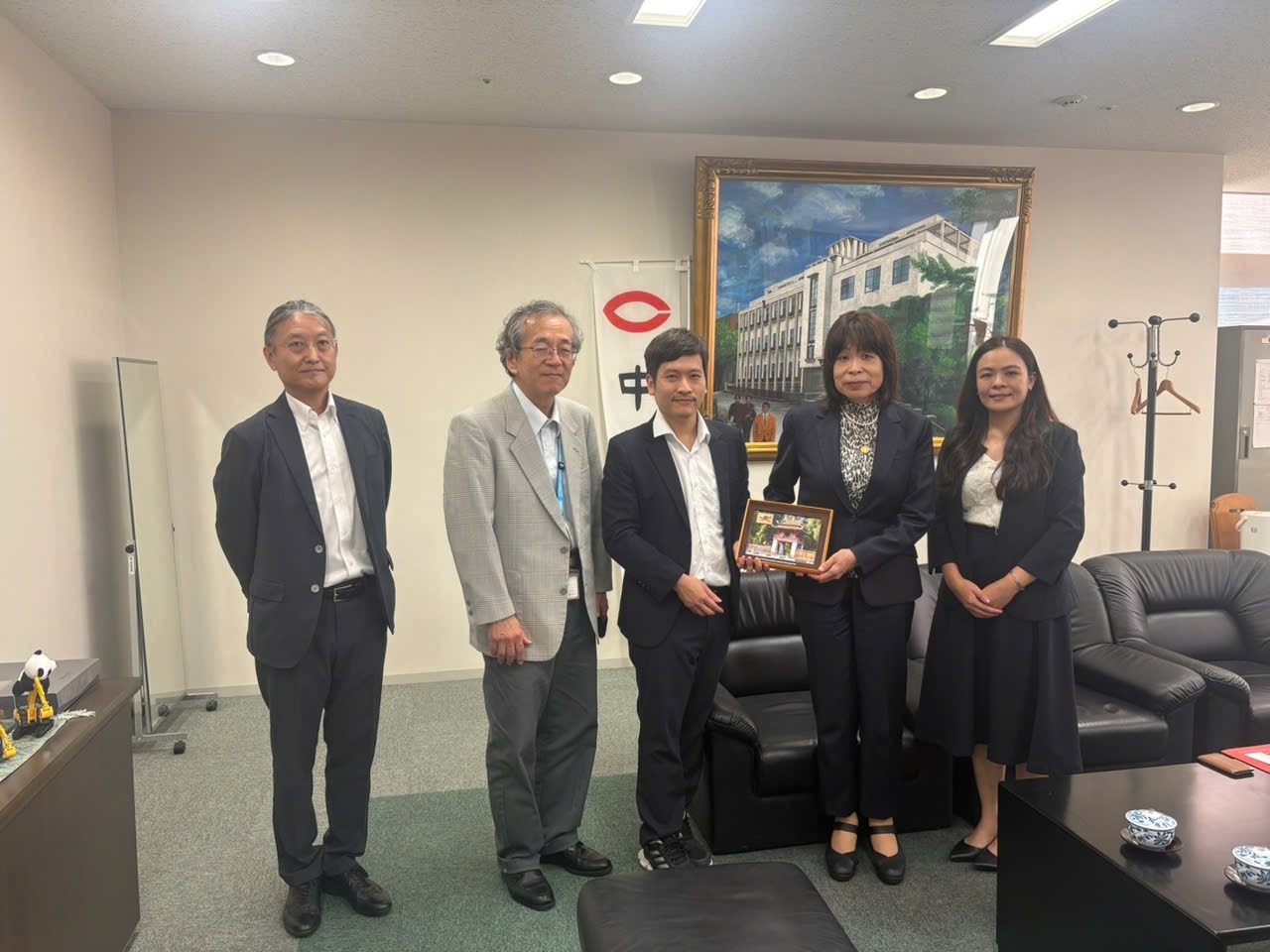
The PTIT delegation presenting a commemorative gift to Professor Hiroko Shoji, Dean of the Faculty of Science and Engineering, Chuo University
During the discussions, Professor Hiroko Shoji, Dean of the Faculty of Science and Engineering at Chuo University, expressed her willingness to promote the signing of a Memorandum of Understanding (MoU) between the two sides, focusing on cooperation in education and training and the transfer of educational technologies, particularly in AI and Robotics.
Based on the discussions with Japanese partners, PTIT plans to maintain and further strengthen connections with the University of Tokyo, Chuo University, and relevant partners, while prioritizing the development of MoUs, cooperation agreements, student and internship exchange programs, training programs, and joint research projects in AI, Robotics, and semiconductor technologies. These efforts will also provide a basis for PTIT to proactively prepare joint research proposals and enhance its participation in international cooperation programs such as NEXUS in the coming years.
As part of the working visit, Assoc. Prof. Dr. Dang Hoai Bac, President of PTIT, also visited PTIT’s Cooperation Office in Japan. The visit contributed to strengthening connections between PTIT and its cooperation network in Japan, while demonstrating the University’s attention to its staff who are directly maintaining and promoting PTIT’s international cooperation activities.
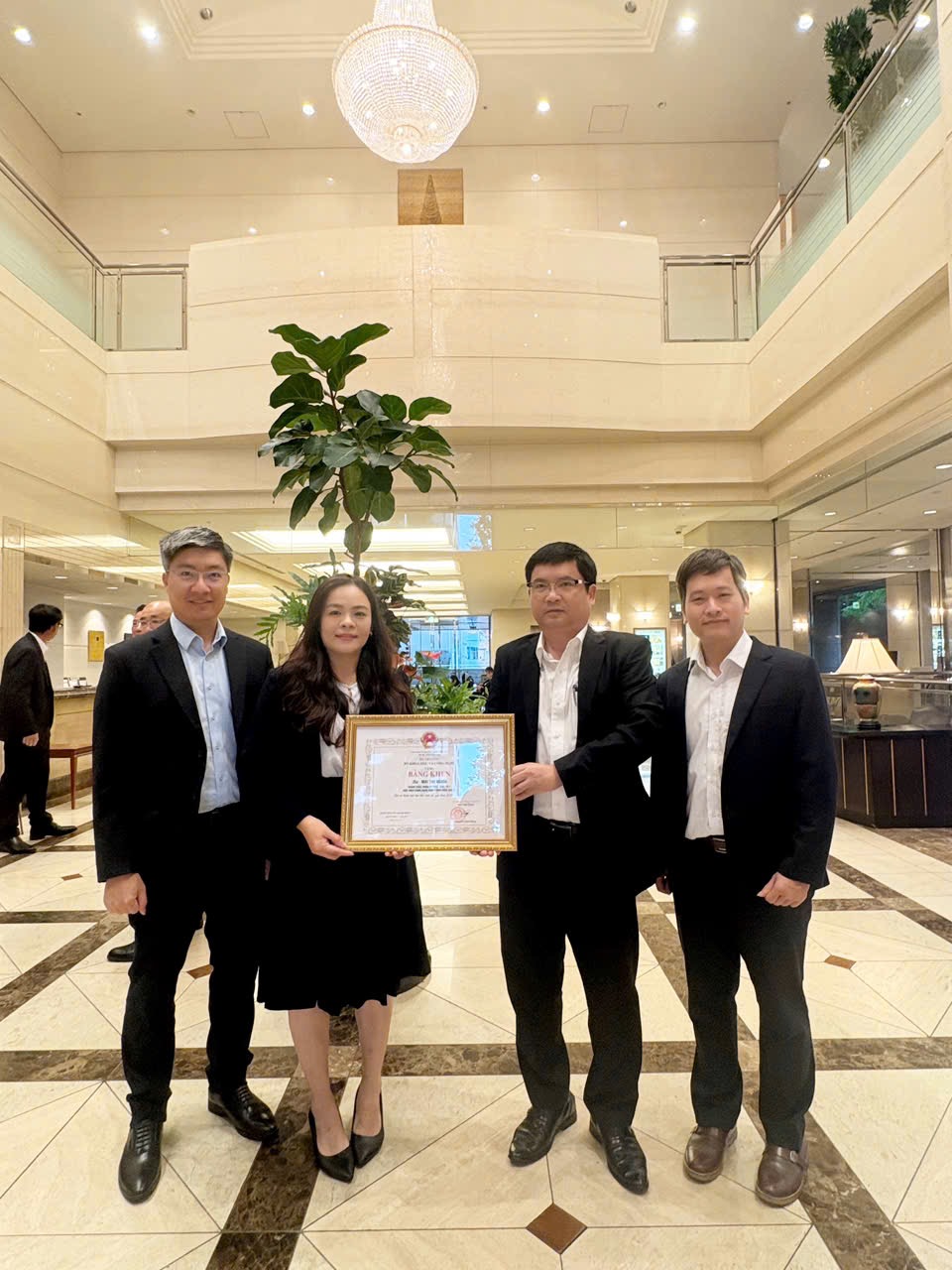
Assoc. Prof. Dr. Dang Hoai Bac, President of PTIT, presenting the Minister of Science and Technology’s Certificate of Merit to Dr. Mai Thi Nghia, PTIT’s resident staff member in Japan
Through the working visit, the Posts and Telecommunications Institute of Technology continued to expand its relationships with educational institutions and research groups in Japan, while gradually translating discussions into specific cooperation programs linking education and training, research, internships, and human resource development, with the aim of building increasingly substantive education and science and technology cooperation between Vietnam and Japan.