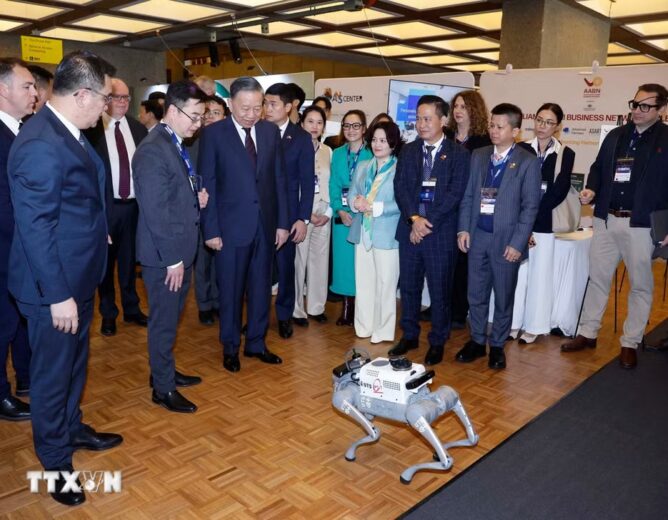
Within the framework of the working visit to India, on the afternoon of May 5, 2026, a delegation from the Ministry of Science and Technology (MOST), led by Minister Vu Hai Quan, held a working session with the I-Hub Foundation for Cobotics (IHFC) at the Indian Institute of Technology Delhi (IIT Delhi). Joining the delegation, the Posts and Telecommunications Institute of Technology (PTIT), led by Assoc. Prof. Dr. Dang Hoai Bac, President of PTIT, actively contributed to discussions on innovation and cooperation in core technologies between Vietnam and India.
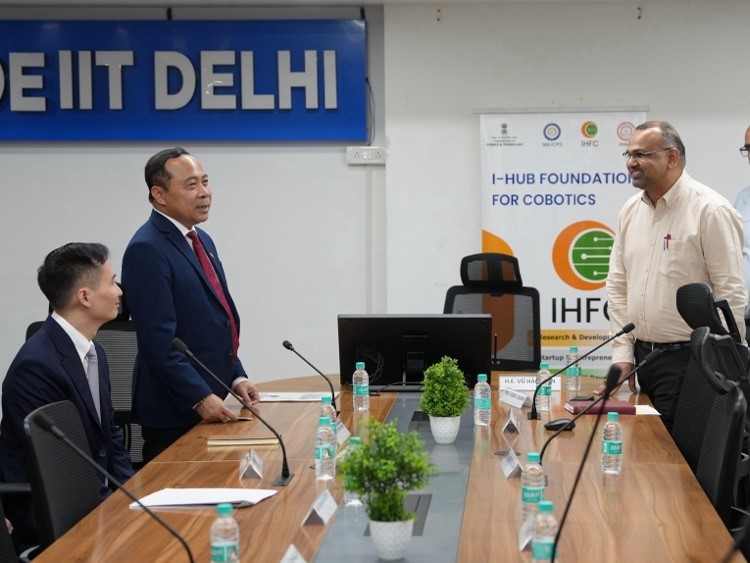
Minister of Science and Technology Vu Hai Quan works with the I-Hub Foundation for Cobotics (IHFC)
During the session, representatives of IHFC introduced its operational model as a non-profit organization serving as a bridge between government agencies, research institutes, and enterprises, while directly implementing R&D activities, startup incubation programs, and human resource training. With a focus on developing cobotics technologies—collaborative robots designed to work alongside humans—IHFC has been promoting applications in healthcare, agriculture, defense, and services, while supporting the development of a technology startup ecosystem with training programs reaching tens of thousands of learners. Based on these experiences, the participants focused discussions on the connection between research, innovation, and market demand, which is considered a key factor in developing deep-tech startup ecosystems. Representatives from the Ministry of Science and Technology also raised discussions on the role of technology transfer centers and incubators within universities, as well as approaches for transforming higher education institutions toward an “innovation university” model.
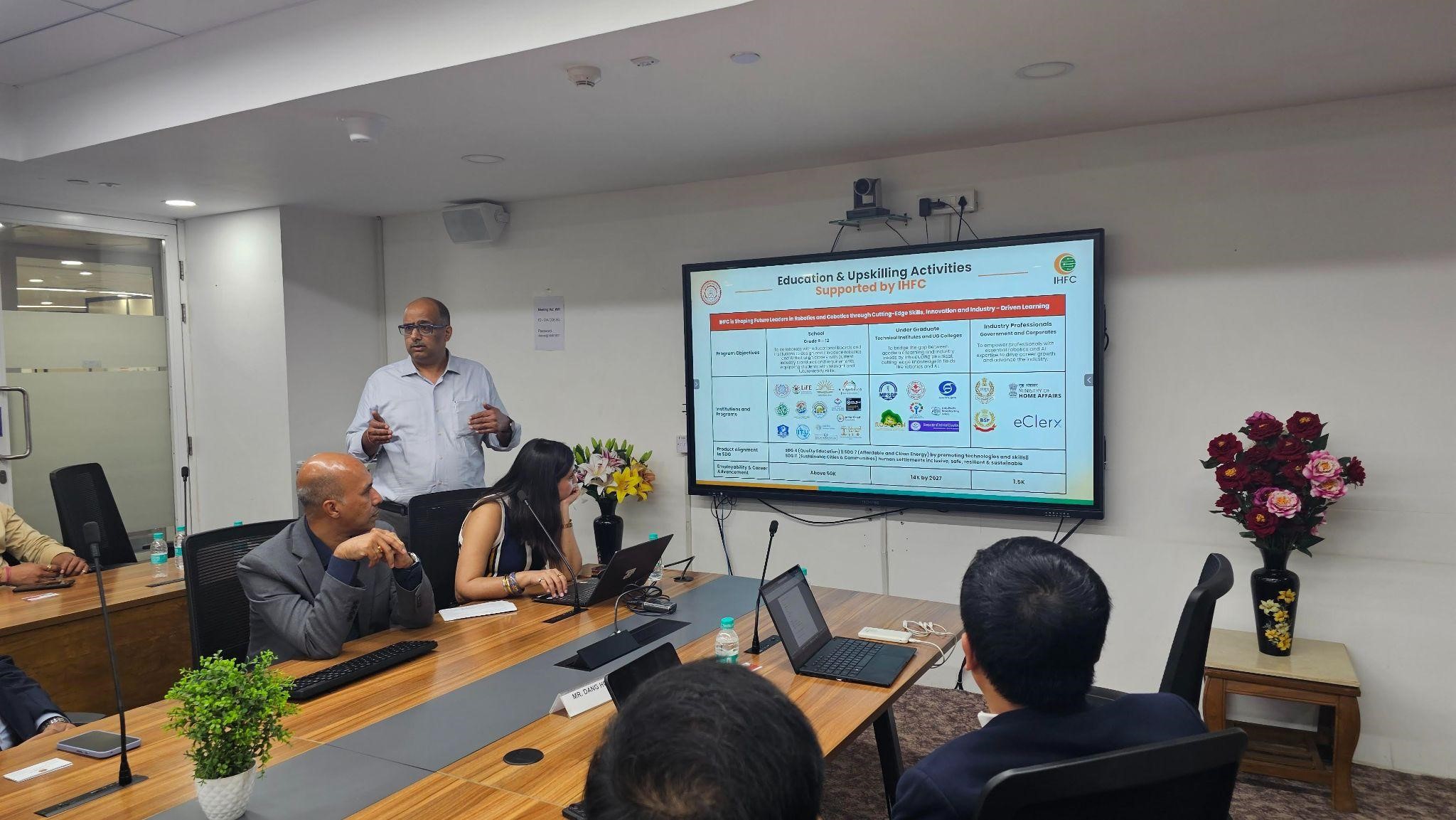
IHFC representative introduces the organization’s operational model
On that basis, Minister Vu Hai Quan proposed strengthening regional innovation ecosystem connectivity through the organization of joint workshops and forums among university incubators in Vietnam, India, and countries such as Singapore, South Korea, and Japan. In addition, enhancing linkages among innovation centers, enterprises, and startups, as well as coordinating entrepreneurship training and high-quality technology workforce development, were identified as key directions for building cross-border startup models.
During the discussions, the PTIT delegation also expressed interest in incubation models associated with applied research and mechanisms encouraging the commercialization of research outcomes, including approaches to sharing intellectual property benefits between scientists and institutions. These practical experiences are expected to provide valuable insights for the development of innovation ecosystems within higher education institutions.
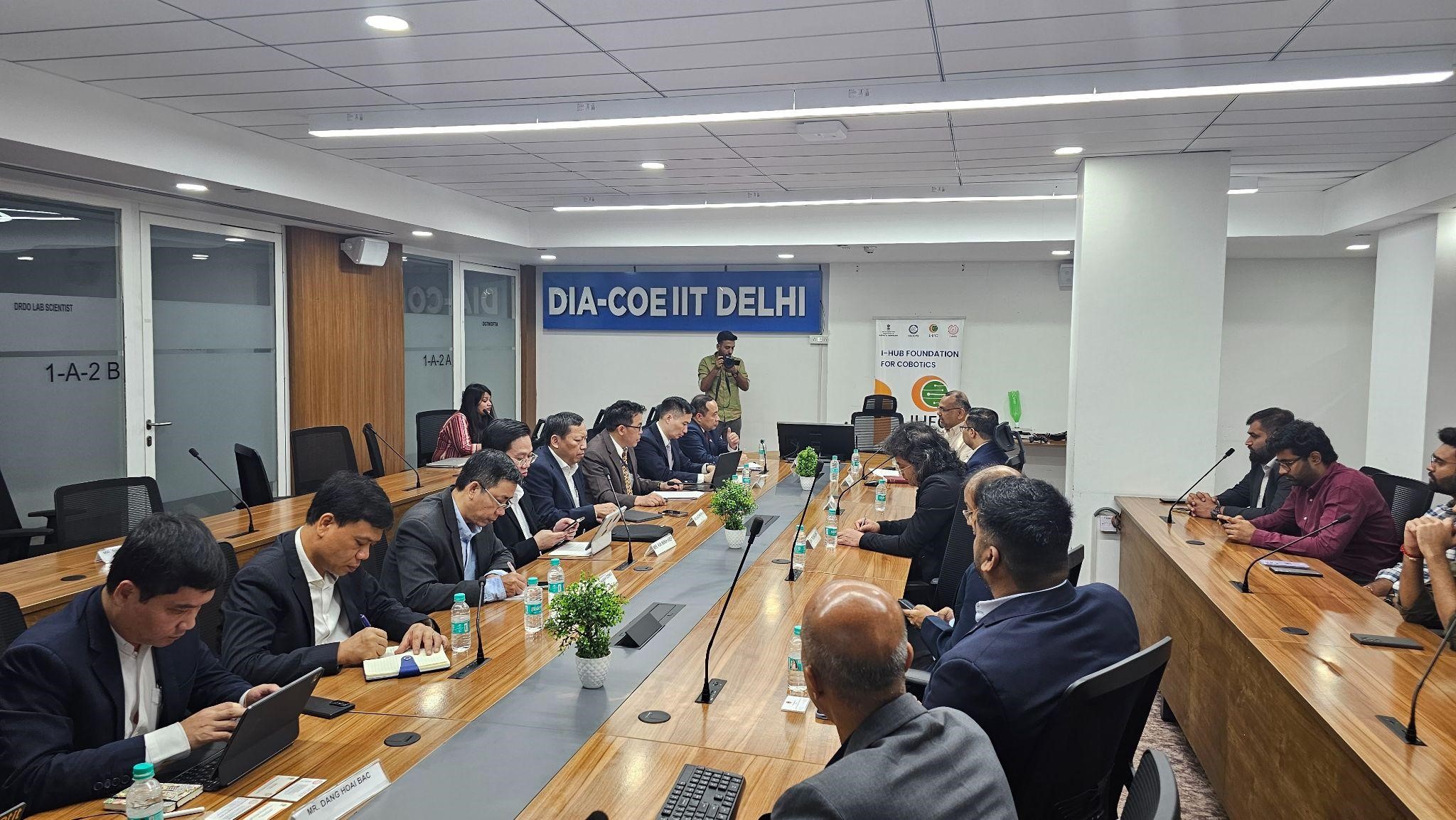
Overview of the working session
PTIT’s participation in the working session alongside the Ministry of Science and Technology delegation enabled the Institute to directly access advanced deep-tech ecosystem models and expand connections with leading regional innovation centers. Through these activities, PTIT continues to reaffirm its proactive role in international integration, while gradually promoting training, research, and technology transfer activities associated with the global innovation ecosystem.
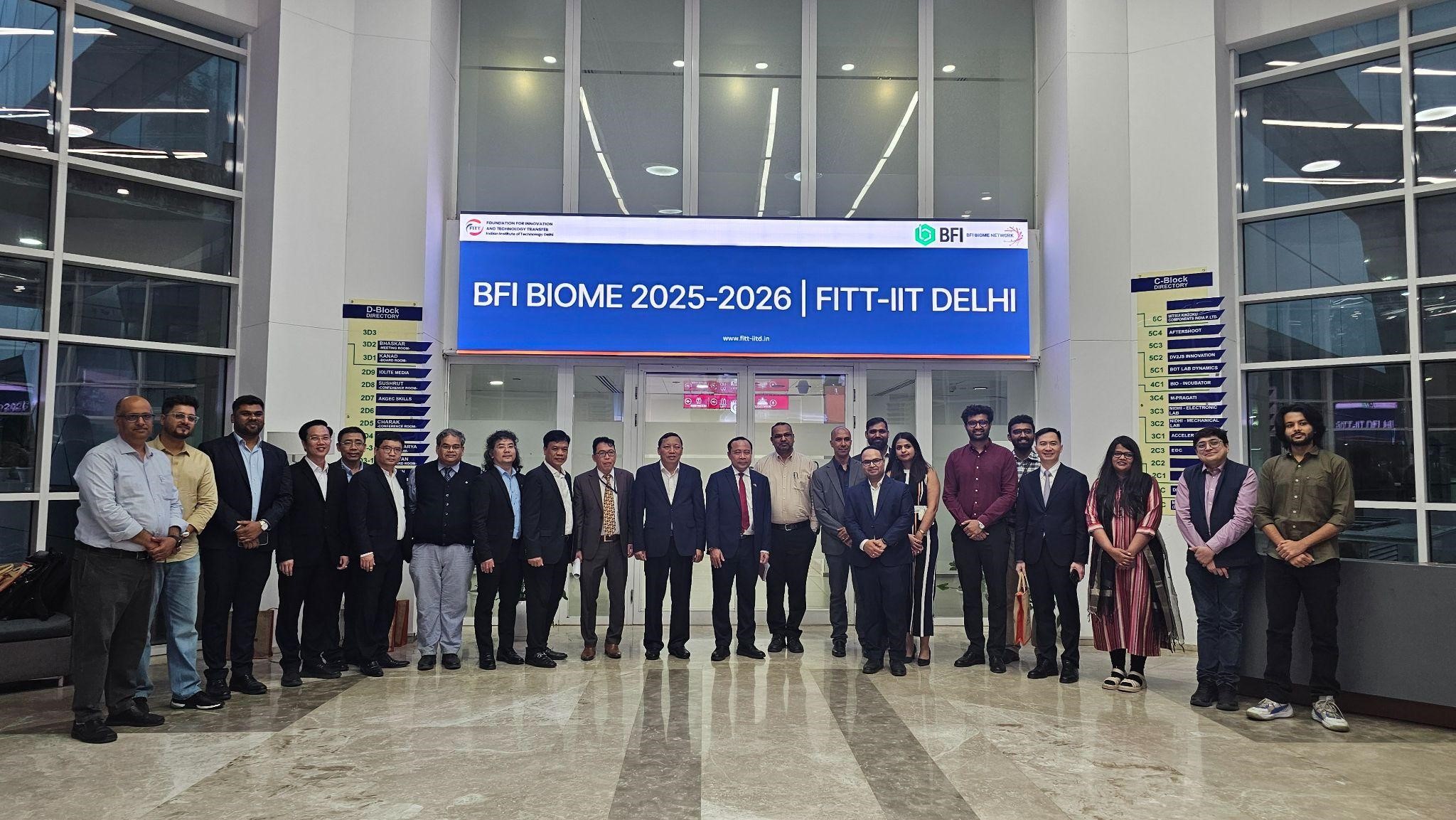
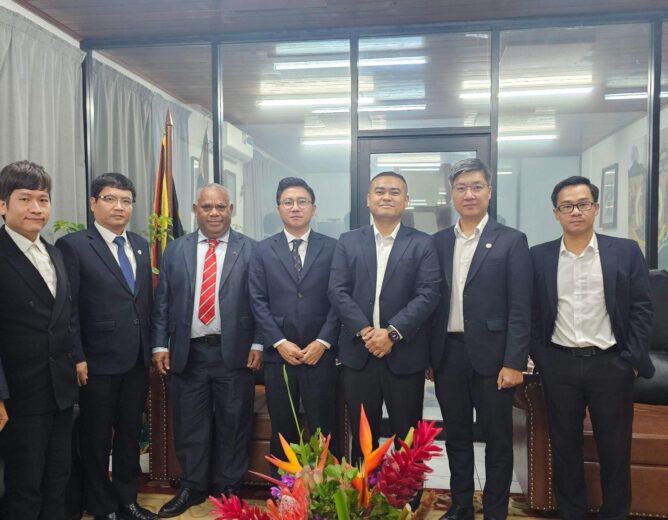
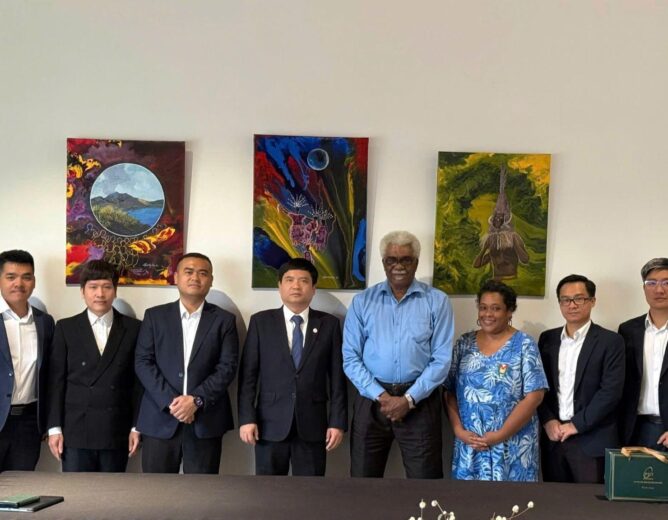
Delegates take a commemorative photo