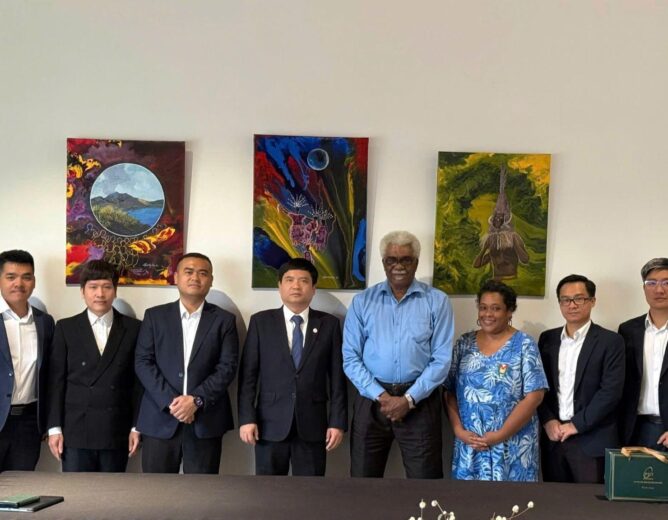
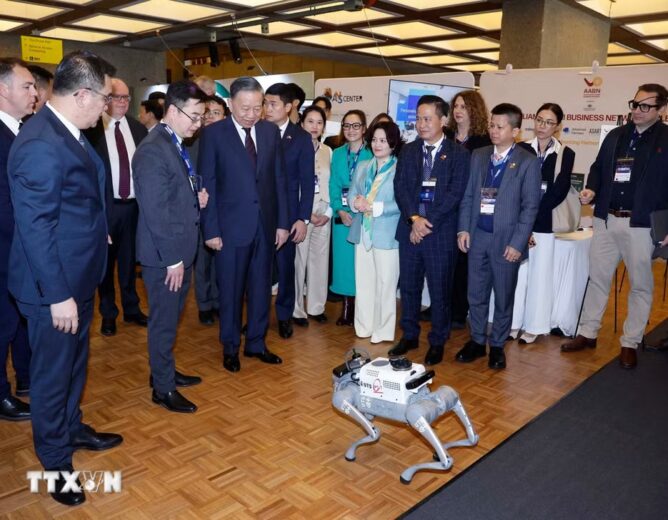
Within the framework of its working program in China, a delegation from the Posts and Telecommunications Institute of Technology (PTIT), led by Assoc. Prof. Dr. Dang Hoai Bac, conducted a series of working sessions with technology and research partners in Guangxi, contributing to expanding international partnerships and promoting the development of key technological fields.
Promoting the Application of AR/VR and 5G in Education
On April 17, the delegation held a working session with XIYING Company, where they visited and experienced the LBE VR system powered by 5G-A technology. During the session, both sides exchanged views on the development trends of AR/VR technologies in education, their current application in Vietnam, and potential cooperation opportunities in the coming period.
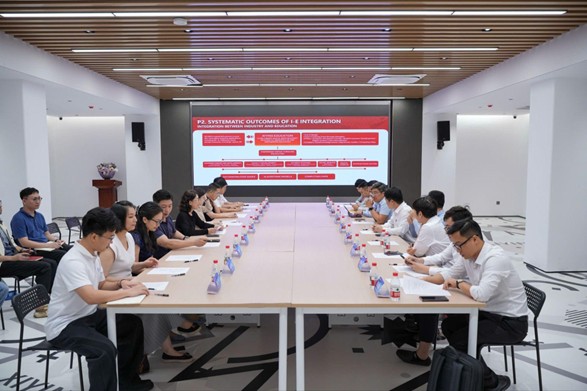
The PTIT delegation works with XIYING Company (Guangxi, China)
Representing the company, Ms. Lan Xiying introduced XIYING’s business model in the tourism and education sectors, while also highlighting challenges related to cost and production time for VR content. On that basis, both sides acknowledged that the application of AR/VR in education is an inevitable trend, opening up significant opportunities for collaboration.
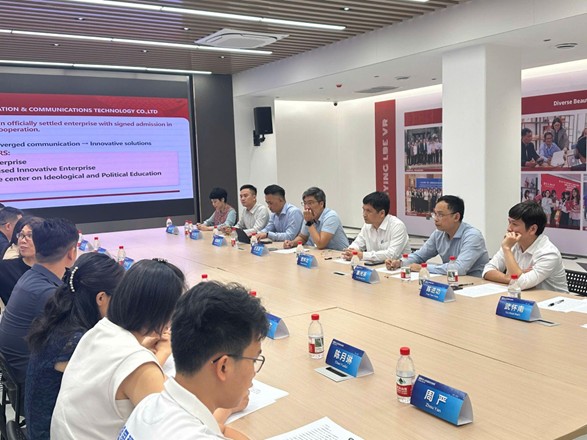
Assoc. Prof. Dr. Dang Hoai Bac, President of PTIT, delivers remarks
In his remarks, Assoc. Prof. Dr. Dang Hoai Bac noted that, as one of the pioneering institutions in multimedia training in Vietnam, PTIT has developed a number of VR products serving both academic and social purposes. He proposed that both sides explore cooperation in developing digital learning content, building virtual museums, connecting international technology ecosystems, and promoting student exchange programs.
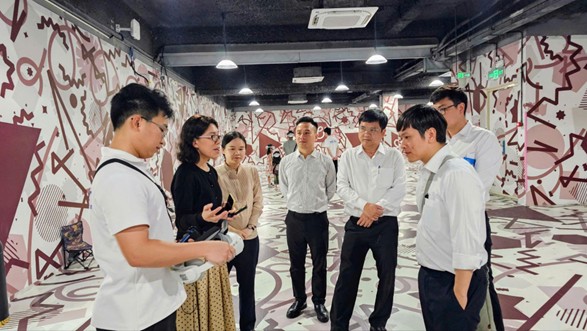
The PTIT delegation visits and experiences technologies and products at XIYING Company
In addition, the integration of 5G, AI, and AR/VR technologies was identified as a key direction of mutual interest, paving the way for further cooperation in research, training, and technology transfer. The PTIT delegation also directly experienced immersive models, including “Experience Dramas” such as Space Odyssey and Gaudi: The Atelier of the Divine.
Promoting AI and IoT Research in Agriculture
On the same day, the PTIT delegation held a working session with the Guangxi Academy of Agricultural Sciences (GAAS), focusing on cooperation in research, training, and technology application in agriculture.
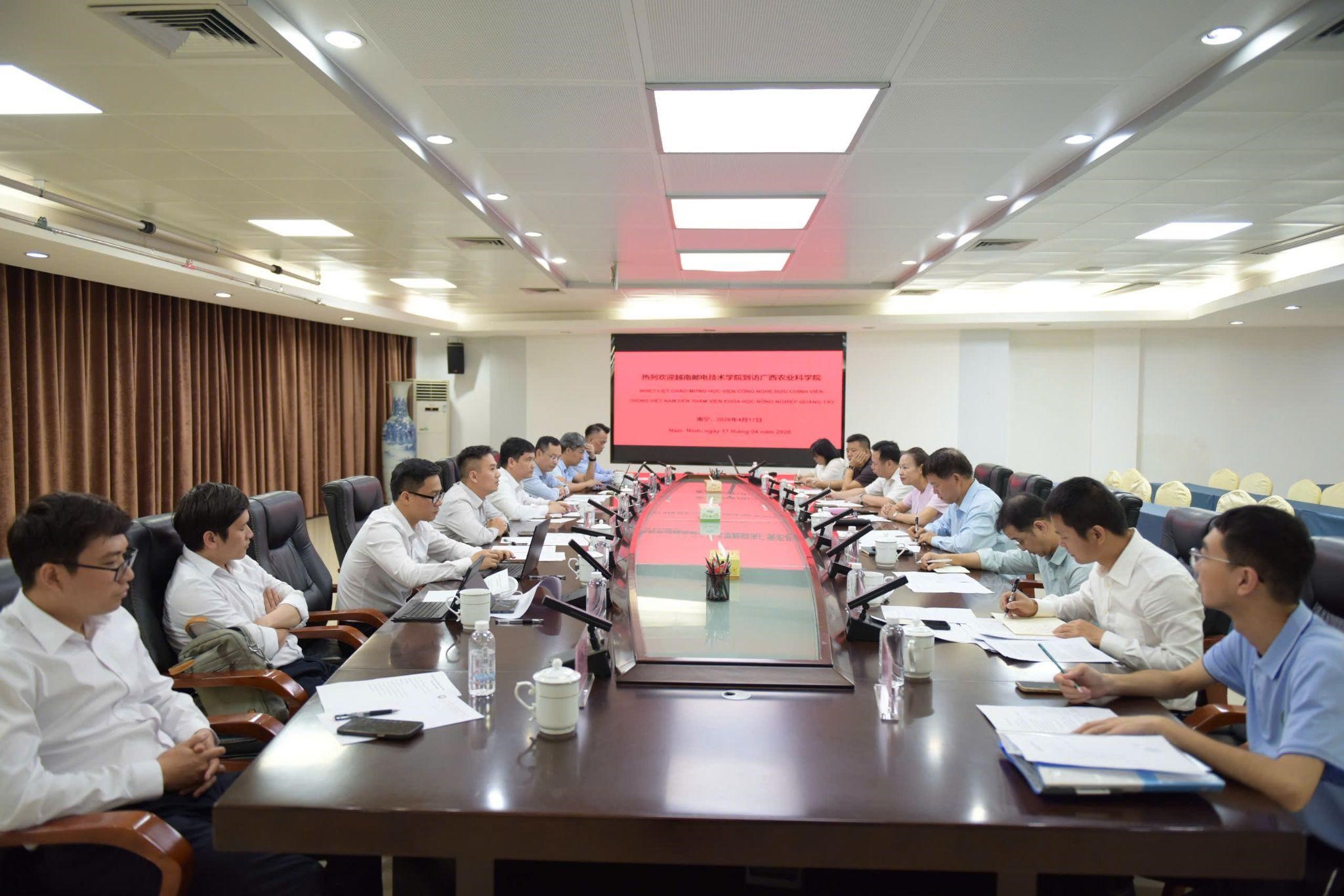
The PTIT delegation works with GAAS
At the session, GAAS representatives emphasized the role of innovation and international cooperation in advancing high-tech agriculture and expressed their interest in establishing collaboration with PTIT. Both sides also shared experiences in implementing agricultural cooperation projects between Guangxi and Vietnam in recent years.
From PTIT’s side, Assoc. Prof. Dr. Dang Hoai Bac highlighted that the Institute is focusing on developing key technological areas, particularly artificial intelligence, with practical applications in agricultural development in the northern mountainous regions of Vietnam. Following a visit to AI-based agricultural models at GAAS, both sides identified strong alignment in their research orientations.
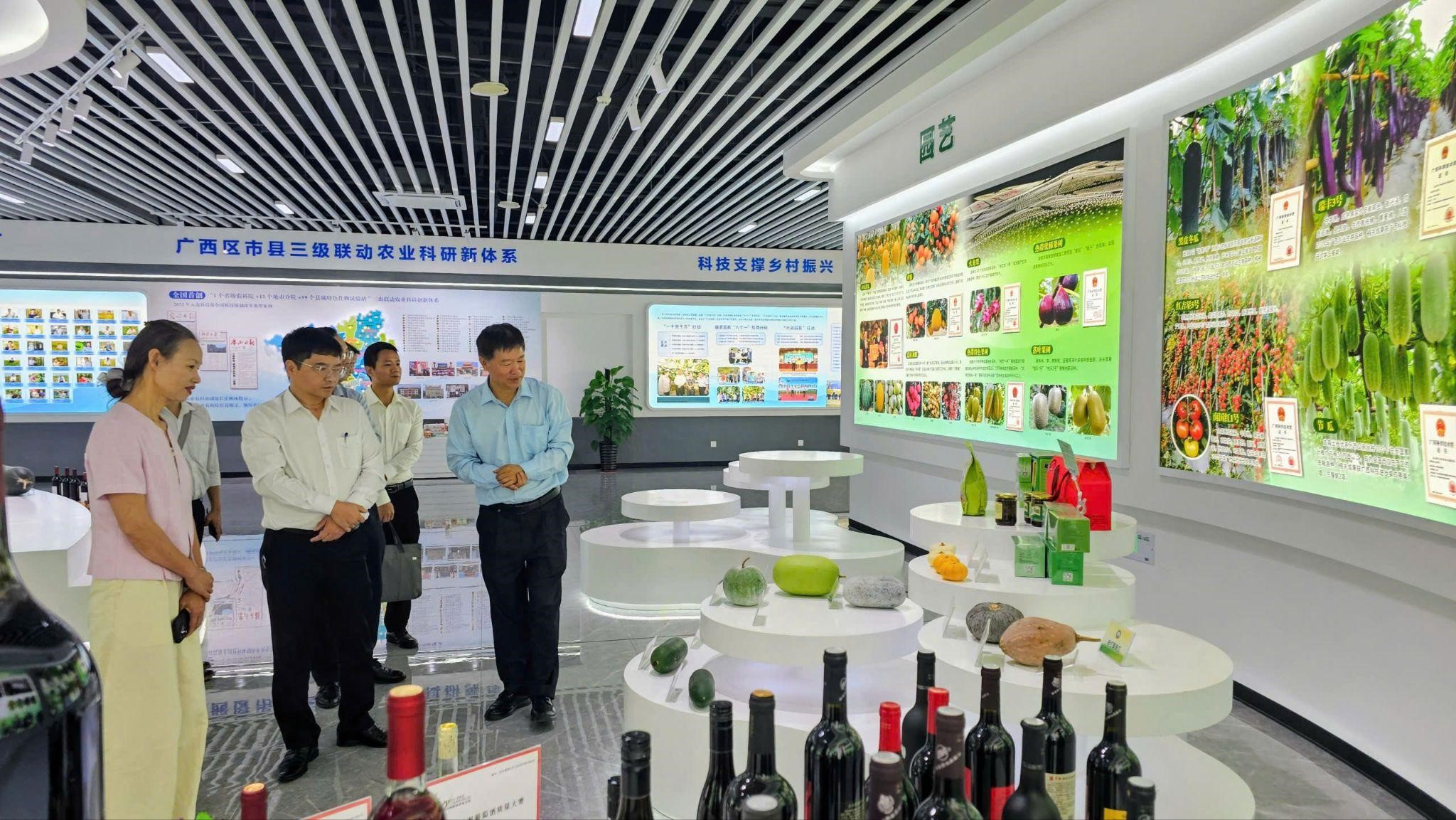
The PTIT delegation visits the exhibition of technological products at GAAS
Based on the discussions, PTIT and GAAS agreed to propose joint research projects in the coming period, aiming to leverage the strengths of each side and enhance the effectiveness of academic cooperation.
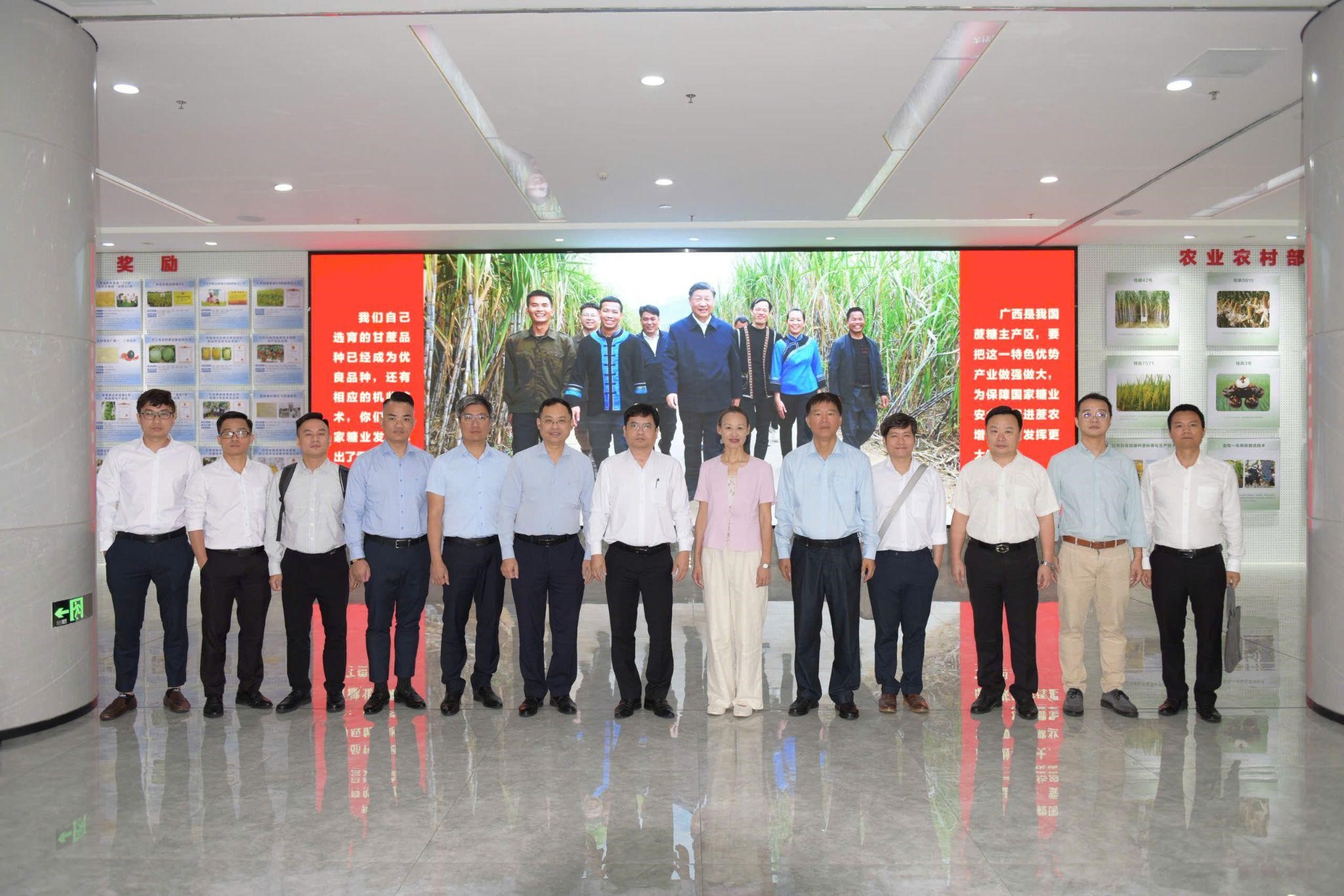
The PTIT delegation takes a commemorative photo at the Academic Exchange Center, Guangxi Academy of Agricultural Sciences
Strengthening Industry Linkages and Expanding the Innovation Ecosystem
As part of the program, the PTIT delegation also worked with the China–ASEAN Business Cooperation Center (CABC), focusing on the role of connecting enterprises with research institutions, promoting technology transfer, and developing innovation ecosystems.
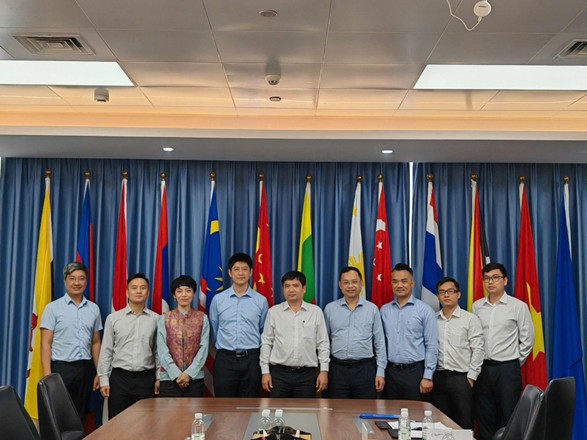
The PTIT delegation and representatives of the China–ASEAN Business Cooperation Center (CABC)
During the session, CABC representatives introduced their functions, missions, and development orientation in supporting multilateral cooperation between China and ASEAN countries, particularly in trade, technology, and enterprise connectivity.
On that basis, PTIT expressed its interest in CABC’s connectivity model and proposed exploring cooperation opportunities in enterprise linkage, technology development, and market expansion. Both sides also discussed specific initiatives, including the development of high-tech training programs, startup incubation in areas such as AI, Smart Cities, and AgriTech, and the development of digital platforms to connect Vietnam–China technology ecosystems.
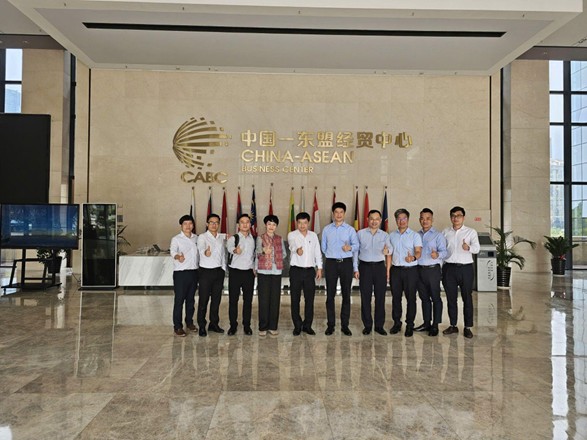
The PTIT delegation takes a commemorative photo at the China–ASEAN Business Cooperation Center (CABC)
The series of working activities in Guangxi not only enabled PTIT to expand its international partnerships but also laid an important foundation for promoting the application of technology in practice, thereby enhancing the quality of training, research, and technology transfer. Through these efforts, PTIT continues to reaffirm its development orientation toward innovation, contributing to improving the quality of human resources in the context of global digital transformation.