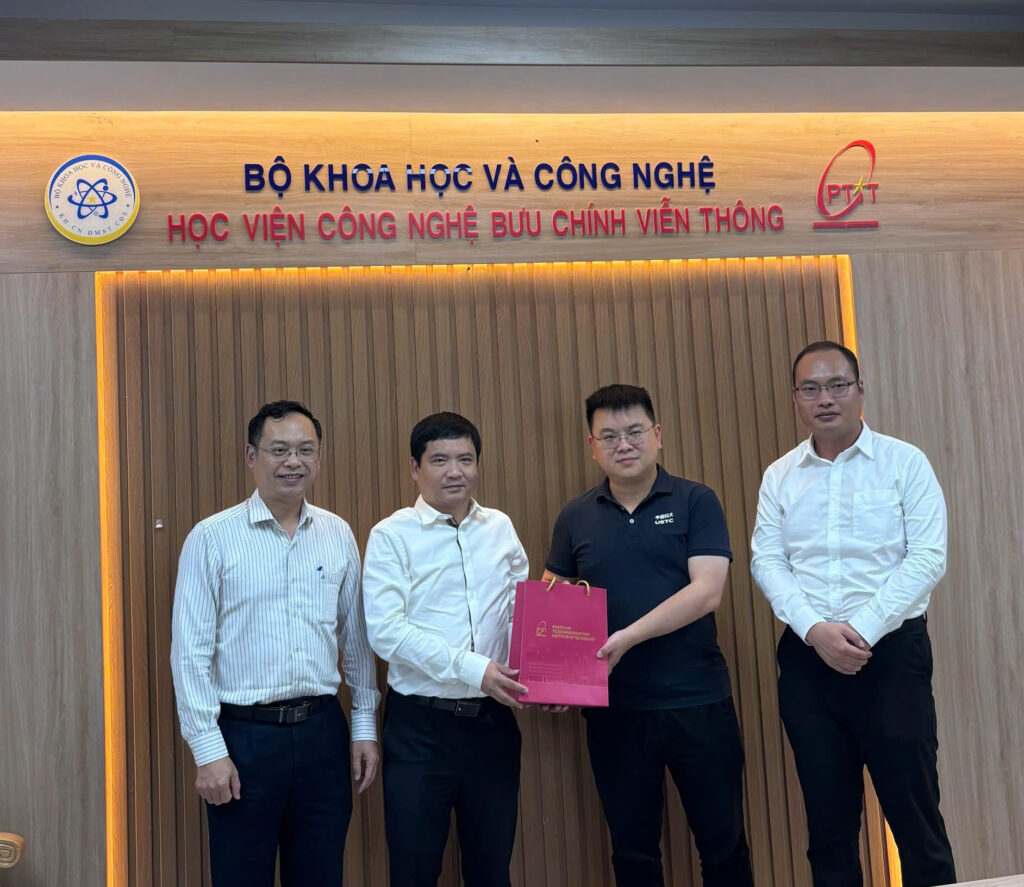
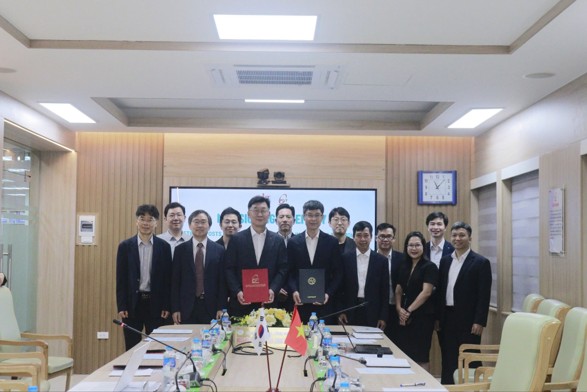
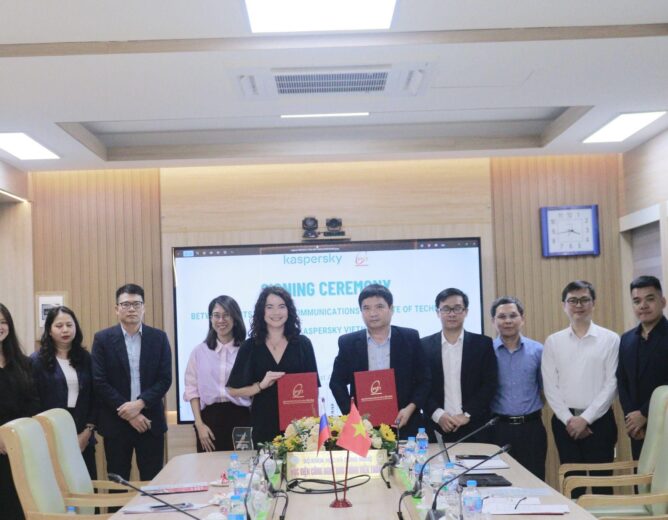
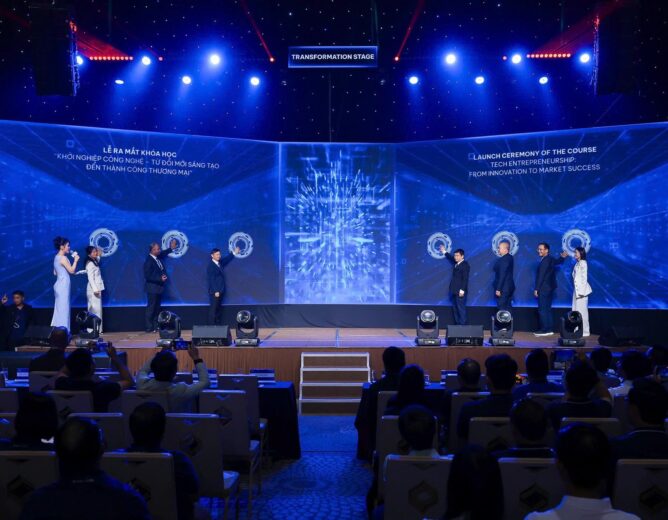
On the morning of March 19, 2026, a working session was held at the Posts and Telecommunications Institute of Technology (PTIT) between the Institute and iFlyTek (China) to discuss directions for cooperation in artificial intelligence (AI), particularly in applying AI to education and high-quality human resource training.
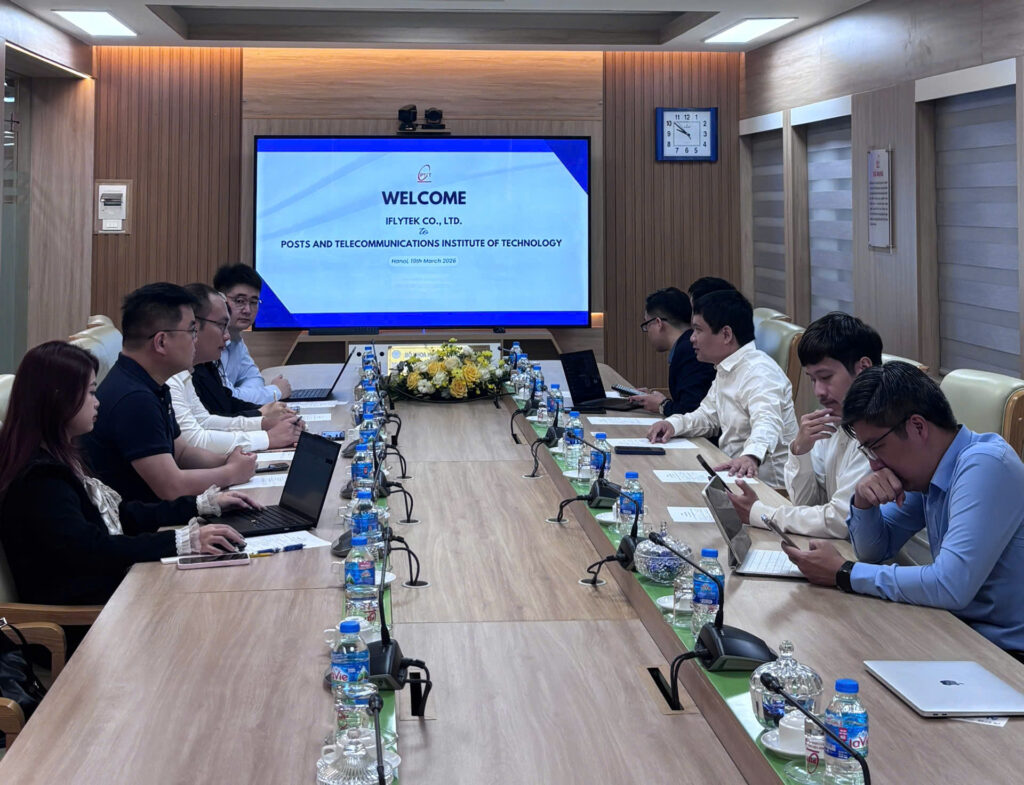
Attending the meeting, PTIT was represented by Assoc. Prof. Dr. Dang Hoai Bac, President of the Institute, along with leaders of relevant departments. On the iFlyTek side, the delegation included company executives and technology experts.
In his remarks, Assoc. Prof. Dr. Dang Hoai Bac, President of the Institute highlighted the Institute’s role and position in education and research in information technology and telecommunications in Vietnam, while emphasizing its strategic direction to become a pioneer in applying AI in education. PTIT aims to gradually integrate AI into all teaching activities, with the goal that 100% of classrooms will be supported by AI technologies, thereby enhancing training quality and the overall learning experience.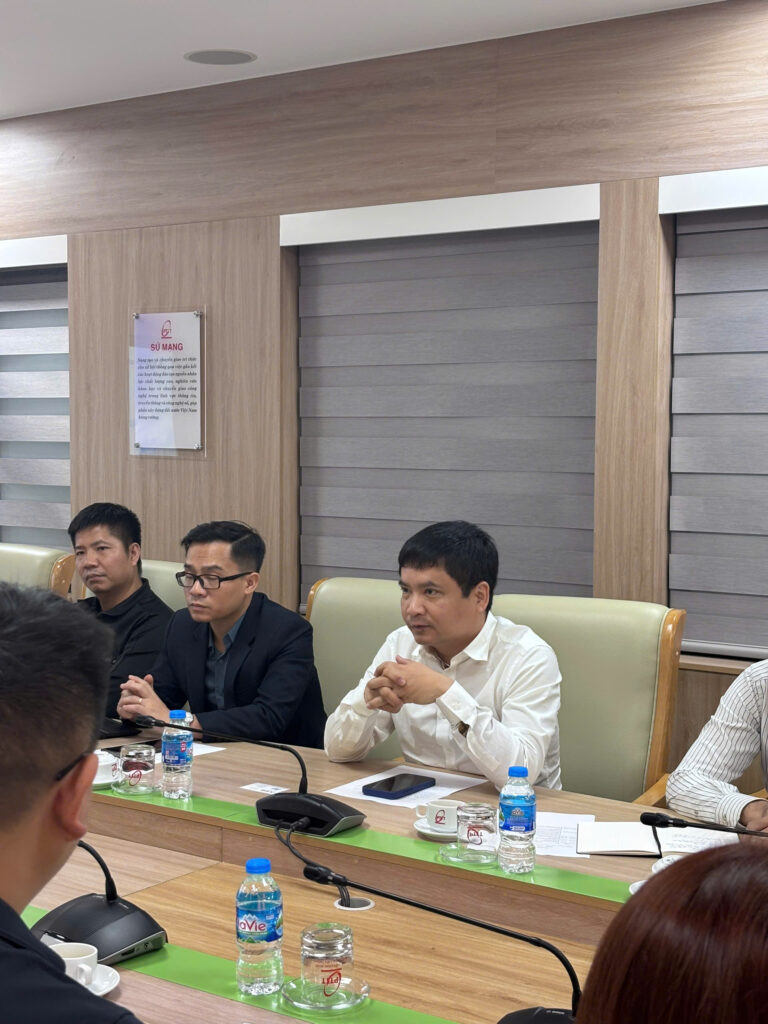
The Institute also shared its vision of developing an AI ecosystem by promoting both software and hardware research, expanding international cooperation, and strengthening connections with universities and training institutions both domestically and internationally. With an annual training capacity of approximately 300 AI professionals, PTIT expects to make meaningful contributions to the national strategy for AI workforce development.
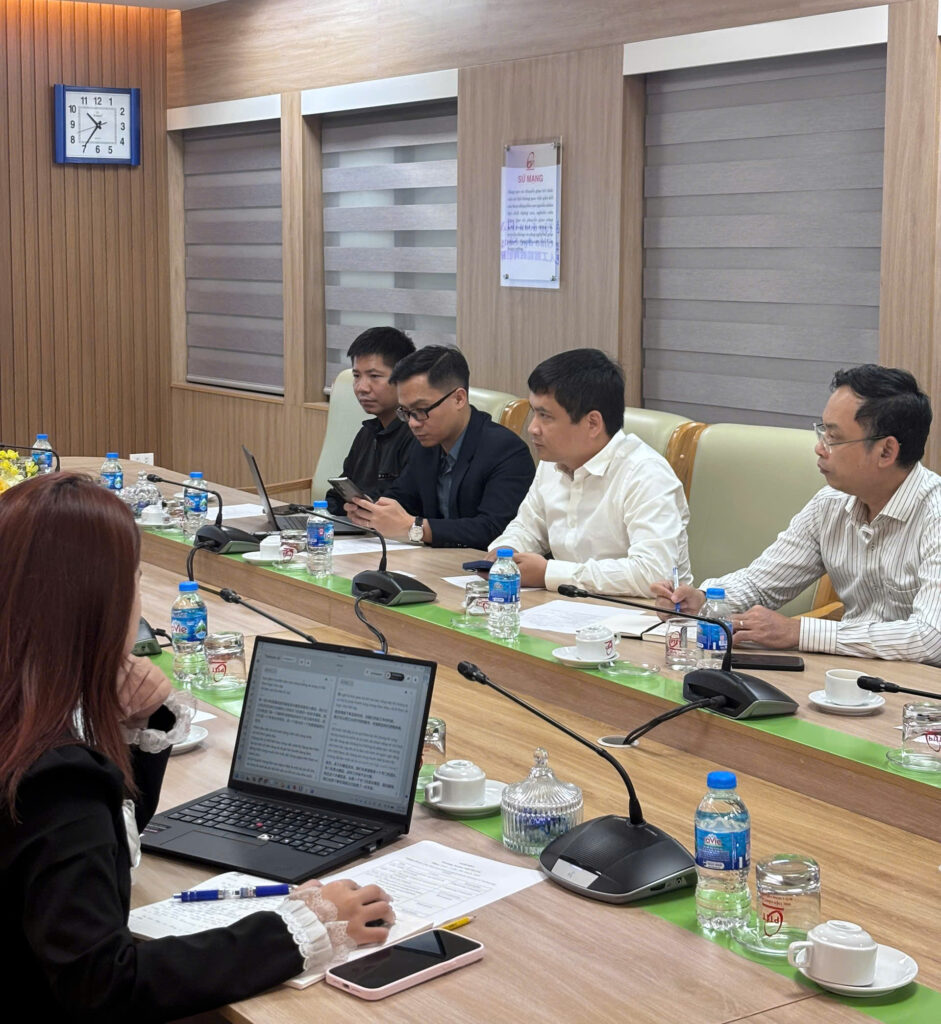
During the meeting, iFlyTek representatives expressed strong appreciation for PTIT’s focus and investment in artificial intelligence. As a technology company originating from the University of Science and Technology of China—one of the world’s leading AI centers—iFlyTek has successfully translated AI research into practical applications in education and daily life.
Both sides discussed the potential for building a comprehensive cooperation model that integrates technology, equipment, and human resources to implement AI solutions in a structured, sustainable, and effective manner. Notably, iFlyTek proposed the deployment of an AI-powered “smart classroom” model, along with research into solutions tailored to Vietnam’s practical conditions, ensuring safety, effectiveness, and scalability.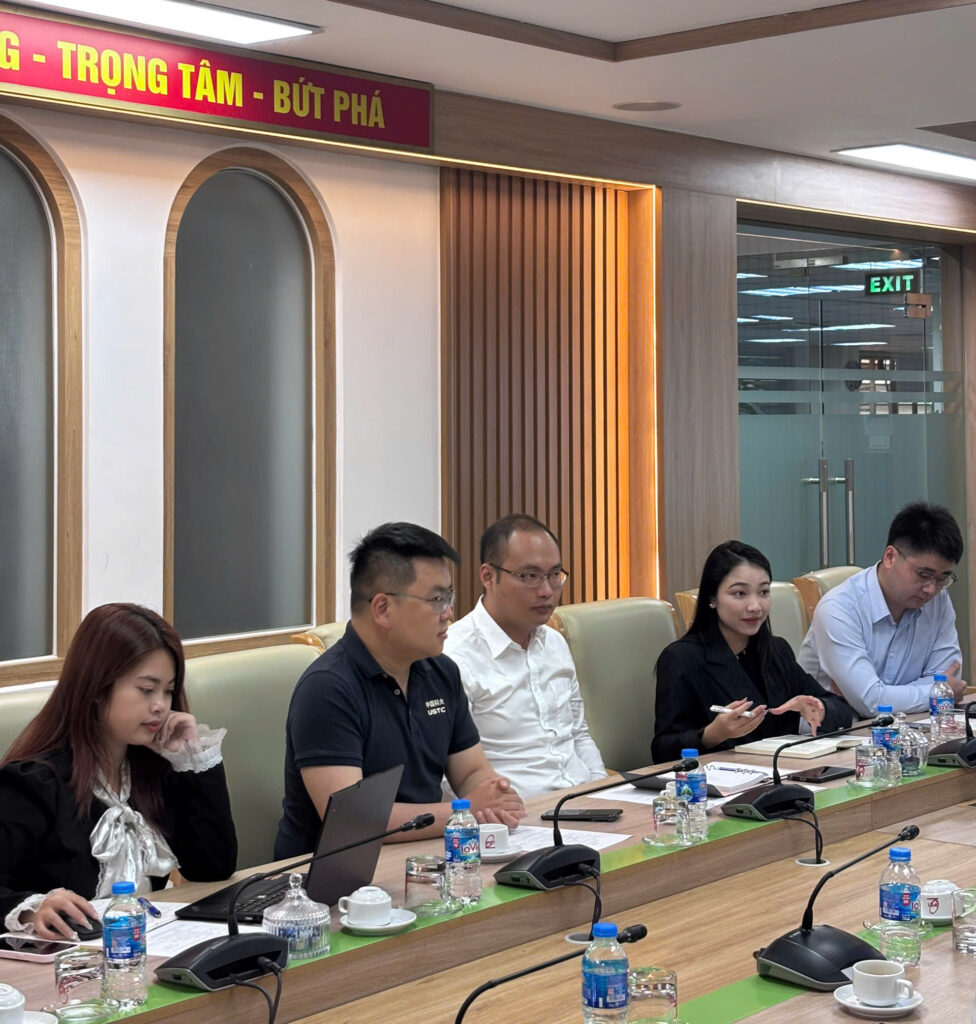
In addition, the two parties agreed to consider signing a Memorandum of Understanding (MoU) in the near future to formalize areas of cooperation, aiming toward implementation and reporting outcomes in high-level programs.
The meeting was conducted in an open, constructive, and cooperative atmosphere. Both sides expressed their expectations to soon implement concrete activities, contributing to the advancement of AI applications in education in Vietnam, while further expanding collaboration in research, training, and technology transfer in the coming time.