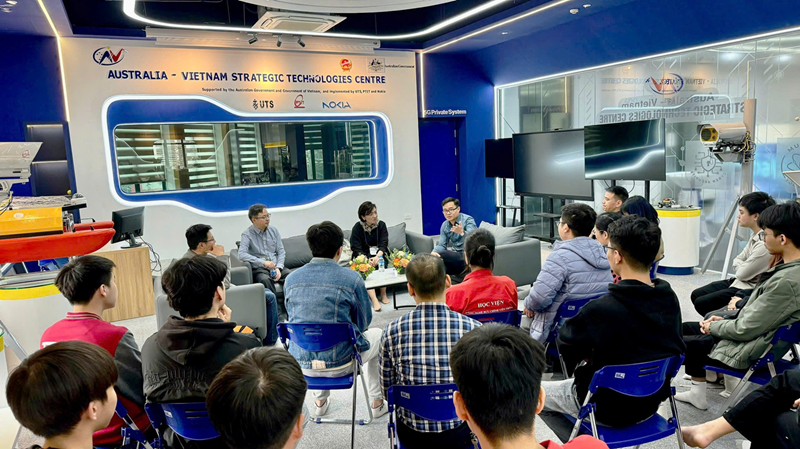
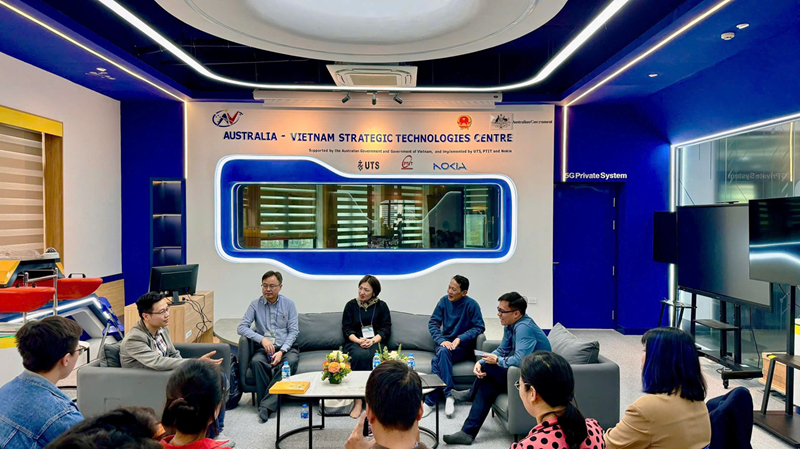
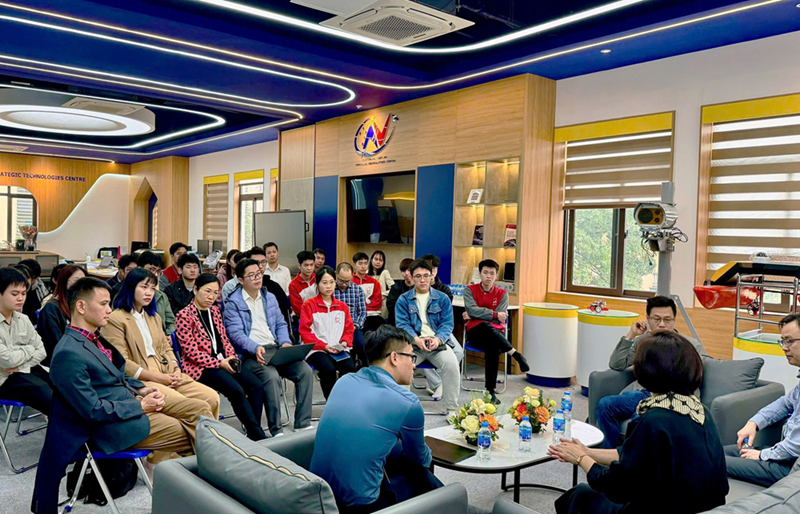
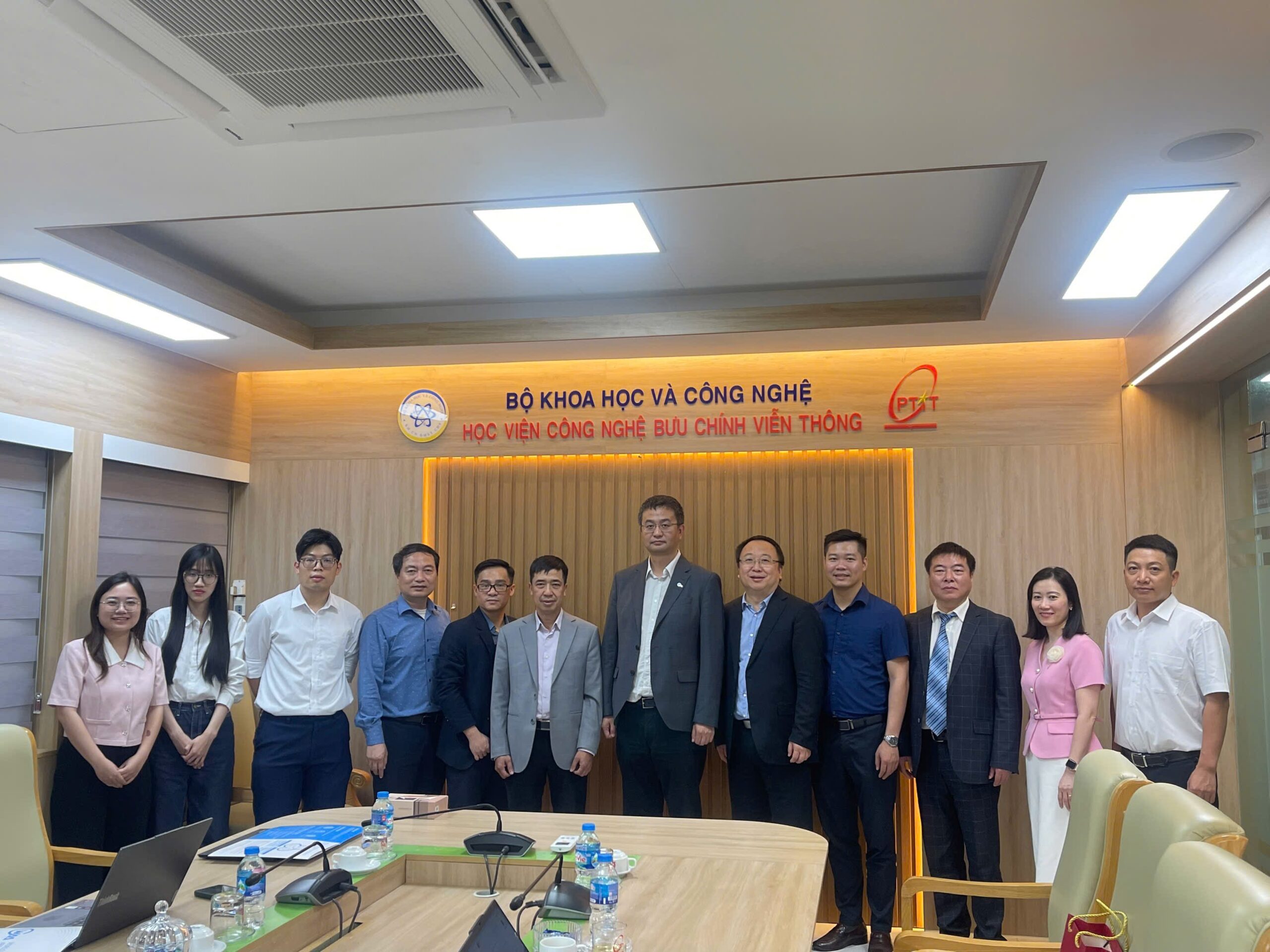
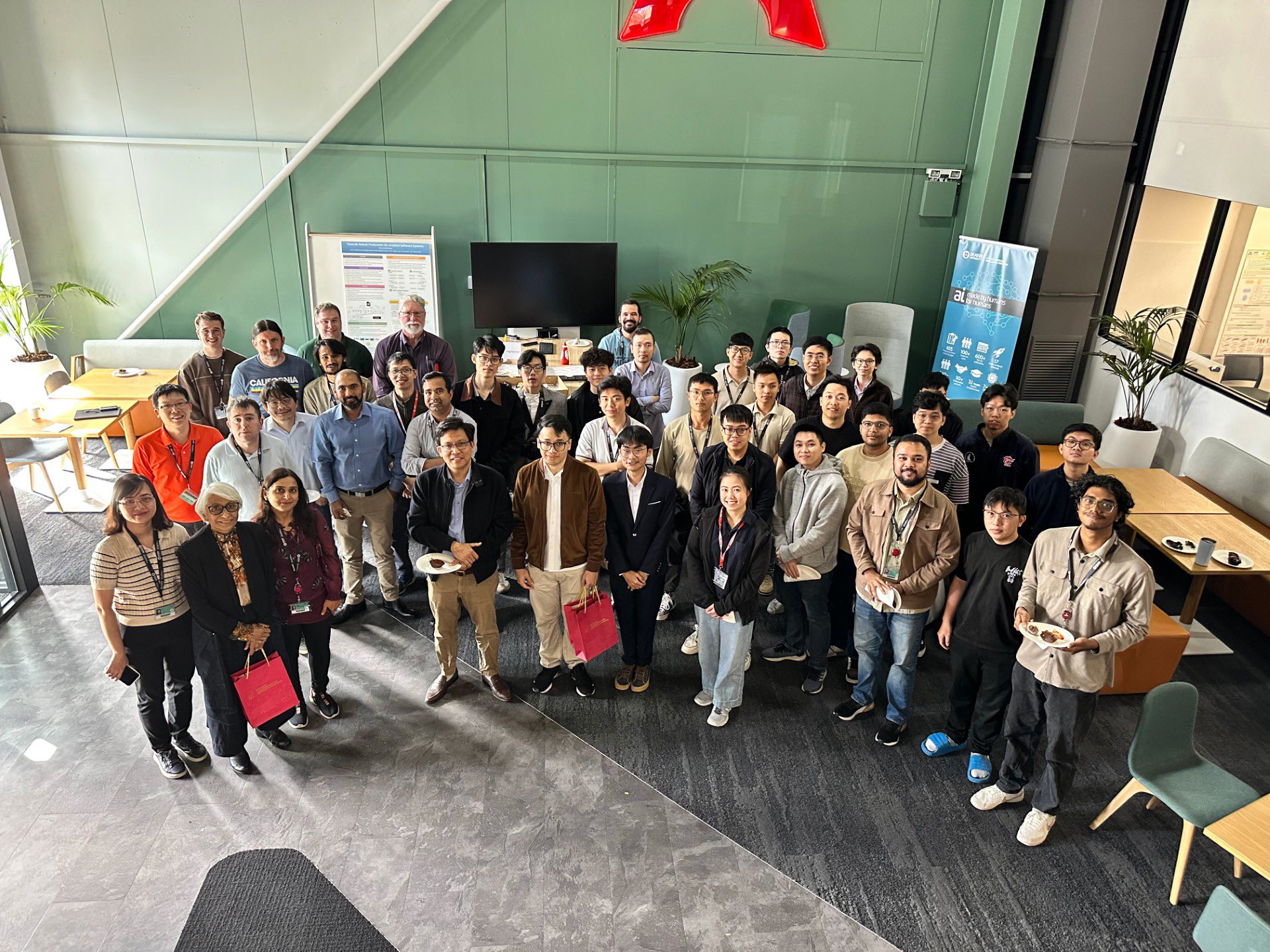
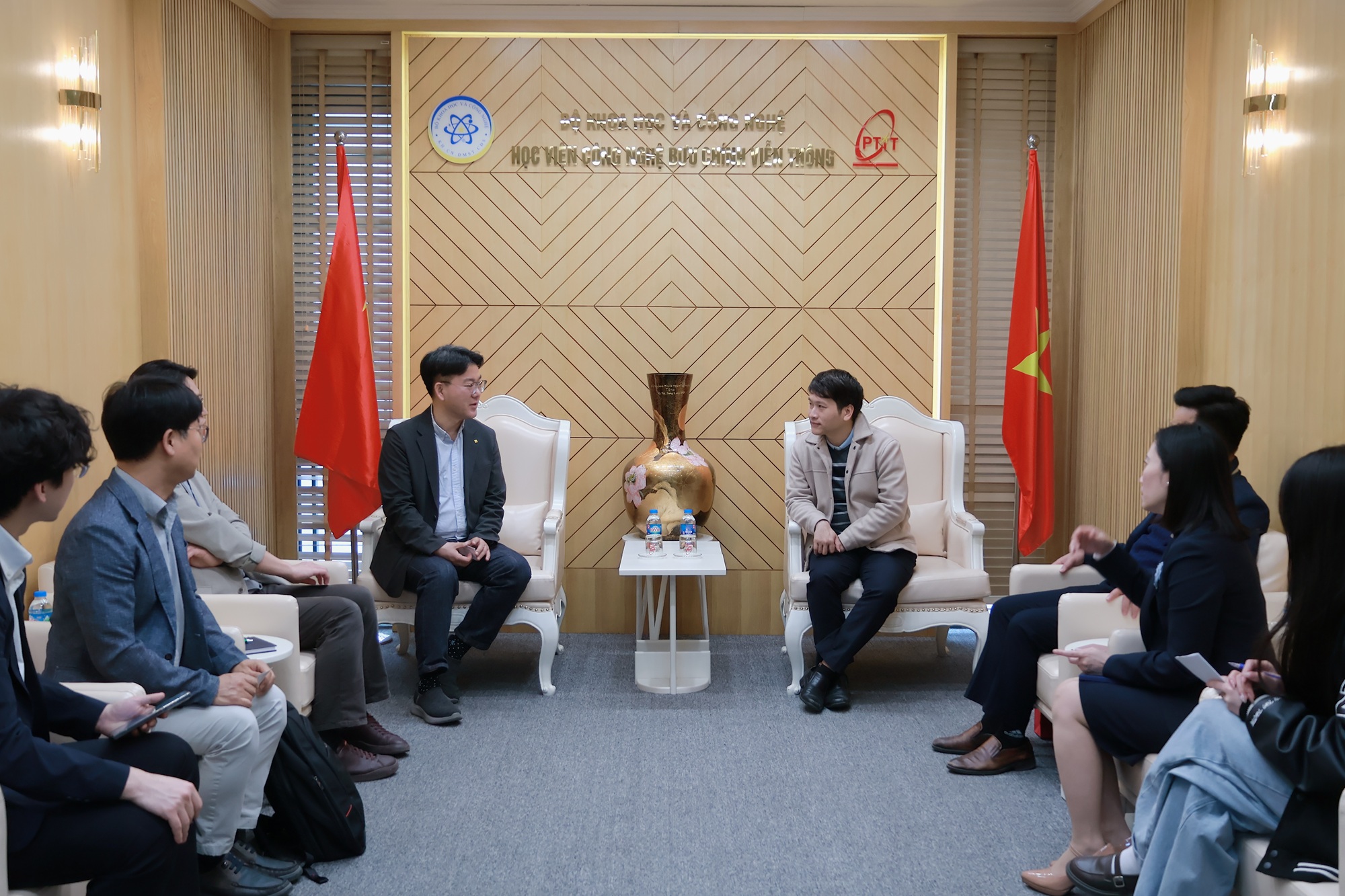
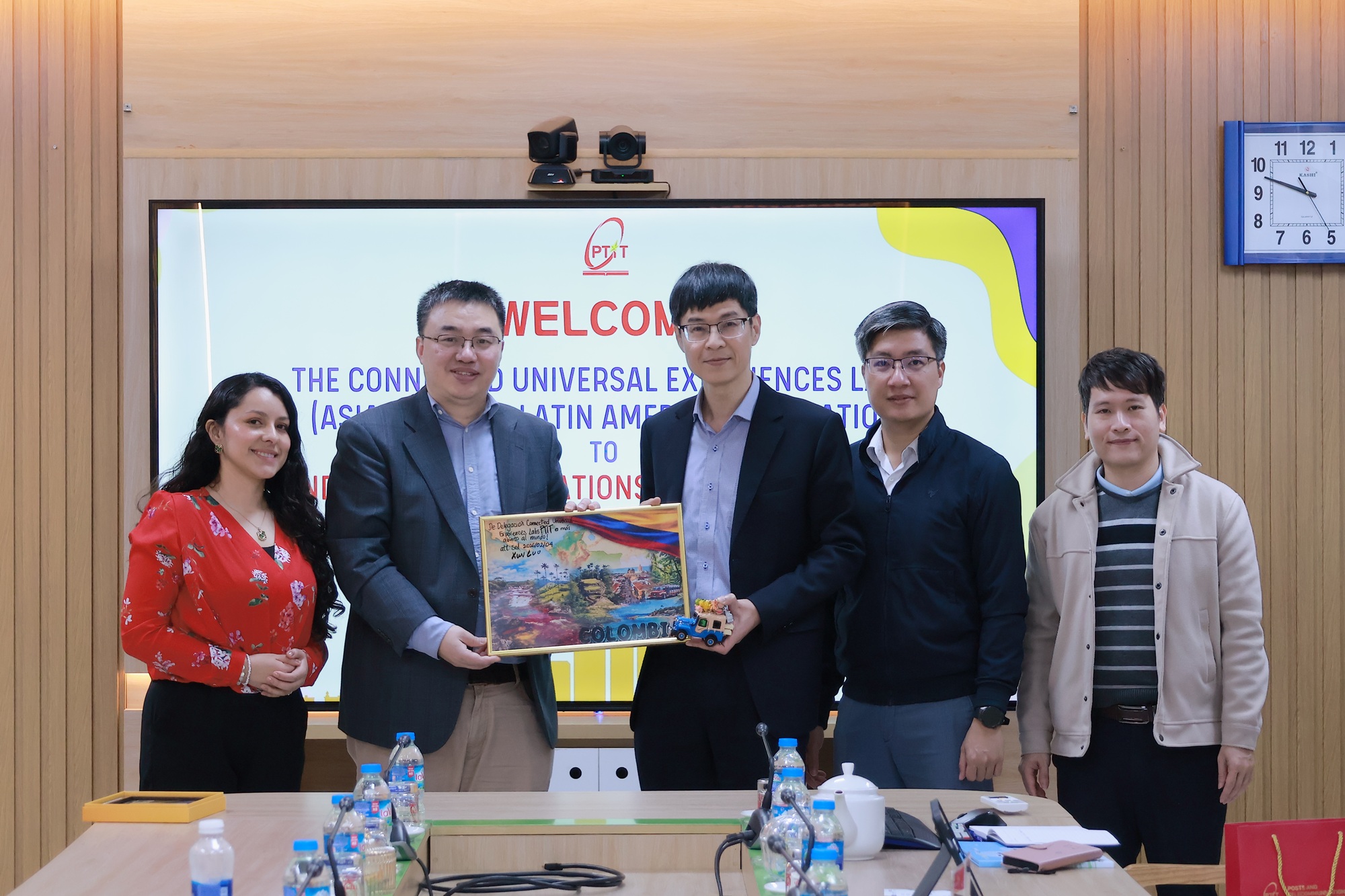
HANOI – On January 15, a significant technical session by global experts was held at PTIT to address the future of global telecommunications, bringing together students and researchers to explore the convergence of Semantic Communication and AI. As the world looks beyond 5G, the focus is shifting toward 6G systems-a transition that promises to redefine how machines and humans exchange information.
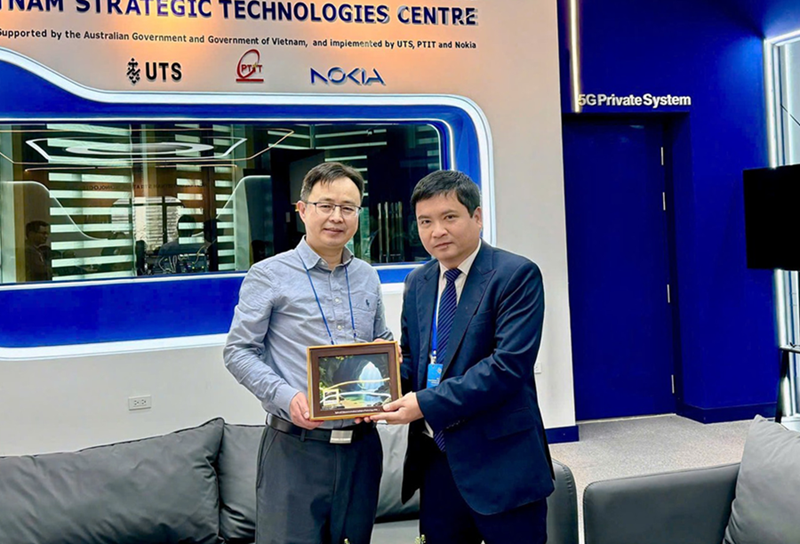
The seminar featured deep technical insights from three distinguished international professors, each representing a major hub of global technological research. Prof. Kim Khoa Nguyen from the University of Quebec (École de technologie supérieure) in Canada, Prof. Haeyoung Lee from the University of Hertfordshire in the United Kingdom, and Prof. Shui Yu from the University of Technology Sydney in Australia spearheaded the discussions. Their collective expertise provided a comprehensive overview of the current landscape, blending perspectives from North America, Europe, and Asia-Pacific to showcase the universal importance of these emerging technologies.

A central theme of the technical presentations was the fundamental paradigm shift required for next-generation (6G) communication systems. For decades, the primary goal of telecommunications has been the accurate transmission of data bits—ensuring that the 0s and 1s sent are the same as those received. However, the speakers argued that this approach is reaching its limits. They highlighted that the future lies in Semantic Communication. In this new model, the network does not merely act as a pipe for raw data; instead, it utilizes Machine Learning (ML) to understand and transmit the meaning or intent behind the information.
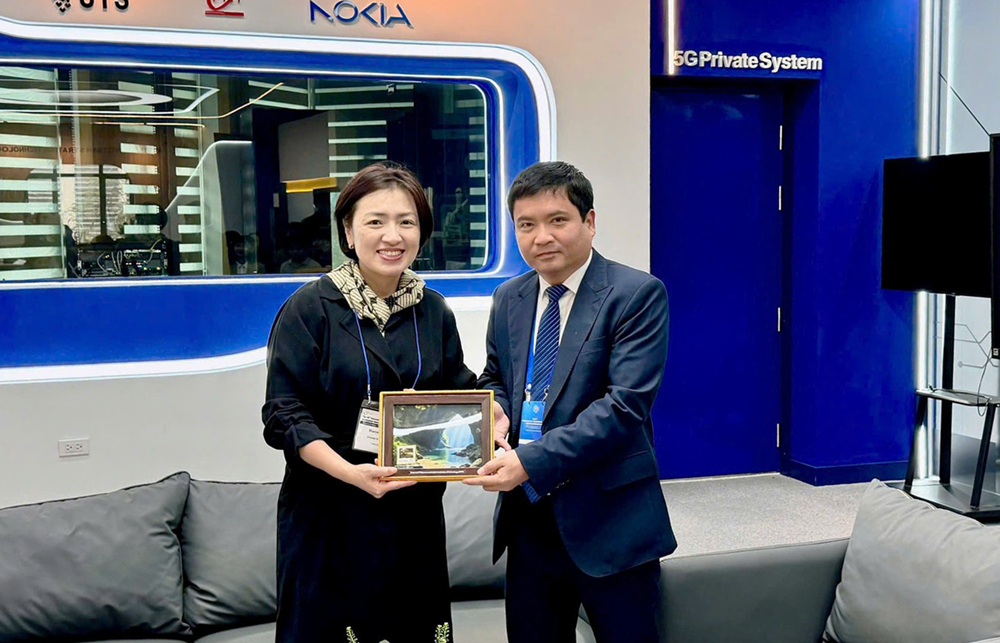
The experts emphasized that integrating AI and Machine Learning into the communication stack is the key to unlocking this potential. By shifting the focus from transmitting raw data to transmitting meaning, networks can achieve massive gains in efficiency. This “meaning-based” transmission drastically reduces the amount of bandwidth required, allowing for the optimization of limited communication resources. This efficiency is critical for supporting the massive scale of connectivity expected in the 6G era, where everything from autonomous vehicles to holographic communication will demand real-time, intelligent responsiveness.
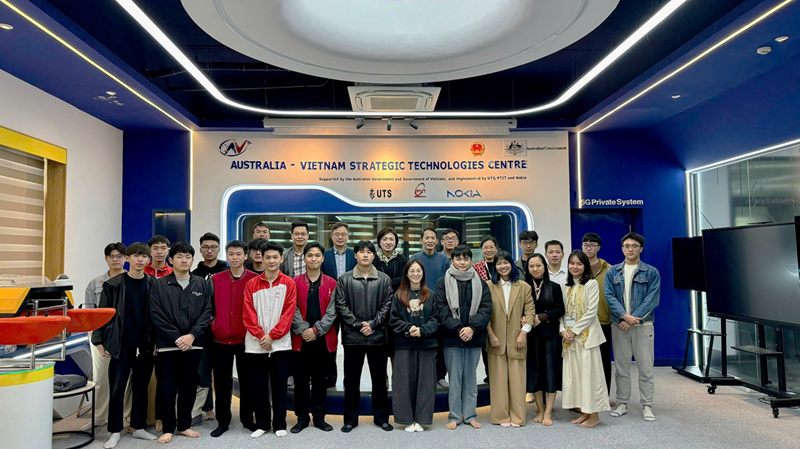
Beyond the technical specifications, the talk was instrumental in outlining clear research pathways for students. The professors underscored that the fusion of AI and telecommunications opens up a new frontier for academic exploration. They encouraged the students in attendance to dive into these interdisciplinary fields, noting that the industry is in dire need of talent capable of navigating the complexities of semantic networks. The event concluded on a high note, having successfully illuminated the roadmap for 6G and inspired the next generation of engineers to lead the charge in optimizing the future of global communication.
Some photos at the Event: